4. Nepal Shamanism Tour Highlights
- Meet a traditional Nepali Dhami Jhakri and learn about their spiritual role within local communities.
- Discover ancient shamanic beliefs, ancestral traditions, and ceremonial practices passed down through generations.
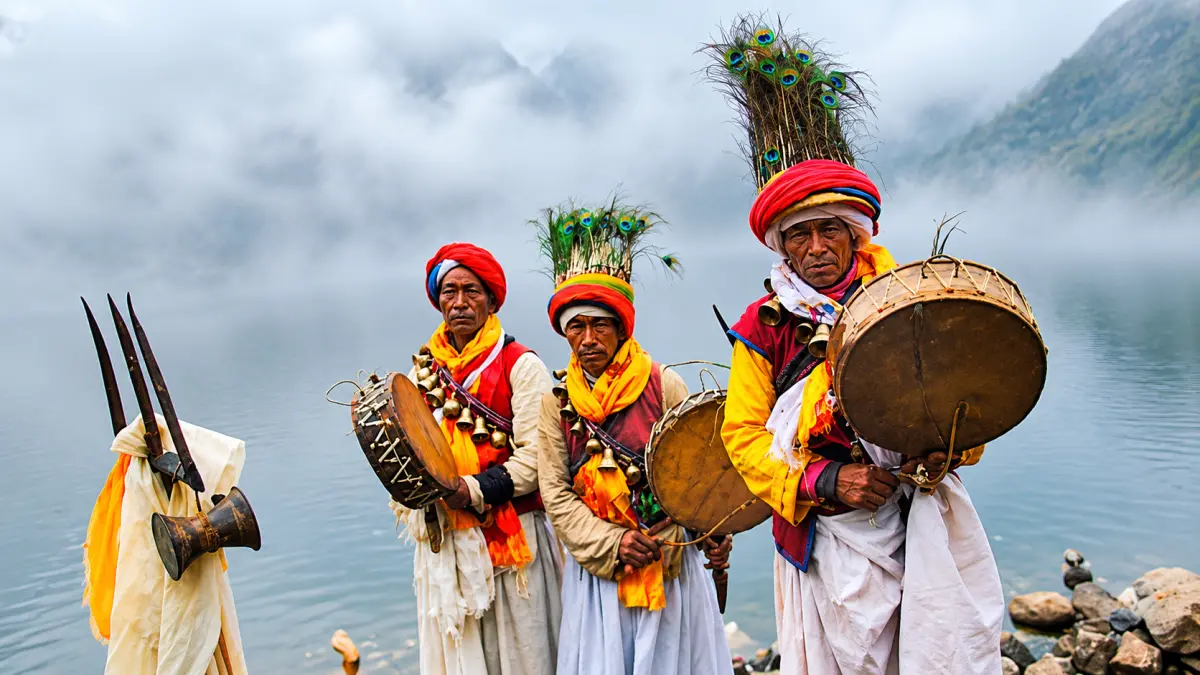
- Explore traditional ritual drums, bells, ceremonial costumes, and sacred objects.
- Learn how shamans interpret spiritual experiences and perform ceremonies according to local traditions.
- Observe a traditional ritual demonstration when available and permitted by the practitioner.
- Visit a local community near Kathmandu and experience traditional Nepalese cultural surroundings.
- Enjoy informative explanations and cultural interpretation from a professional English-speaking guide.
- Travel comfortably with private hotel pickup, transportation, and flexible departure arrangements.
3. Trip Facts: Nepal Shamanism Tour
Trip Details | Information |
Tour Name | Nepal Shamanism Tour |
Duration | 3–4 Hours |
Destination | Selected Local Community Near Kathmandu |
Starting / Ending Point | Kathmandu Hotel |
Tour Type | Private Cultural & Spiritual Heritage Experience |
Main Experience | Meeting a Traditional Dhami Jhakri |
Practitioner Interaction | Approximately 1 Hour |
Departure Time | Morning, Afternoon or Evening |
Tour Guide | Professional English-Speaking Cultural Guide |
Transportation | Private Car / SUV |
Major Attractions: Nepal Shamanism Tour
Traditional Dhami Jhakri Meeting
Meet a local spiritual practitioner and discover the traditional responsibilities, beliefs, and ceremonial customs associated with Nepal's shamanic heritage.
Traditional Shamanic Rituals
Learn about spiritual ceremonies, chanting, ritual movements, and traditional practices. A demonstration may be possible with the practitioner's consent and availability.
Sacred Drums & Ceremonial Objects
Discover the importance of ritual drums, bells, ceremonial clothing, and other objects used in different Nepali shamanic traditions.
Local Community Experience
Visit a selected community near Kathmandu and gain insight into traditional lifestyles, local customs, and the continuing influence of ancestral beliefs.
Spiritual & Cultural Learning
Understand how shamanic practices have developed across Nepal's diverse communities and how they coexist with other religious and cultural traditions.
6. What Is Shamanism in Nepal?
Shamanism in Nepal refers to a diverse collection of traditional spiritual beliefs and ritual practices found among different ethnic and local communities. These traditions often involve communication with ancestral spirits, protective deities, and spiritual forces through ceremonies, chanting, drumming, and symbolic offerings.
Traditional practitioners, commonly known as Dhami or Jhakri, may be consulted for spiritual guidance, protection rituals, blessings, and ceremonies associated with community beliefs.
Nepali shamanism is not a single organized religion. Practices vary significantly between communities, regions, and individual practitioners.
In some traditions, shamanic practices coexist with Hindu and Buddhist beliefs, while others retain distinctive indigenous customs passed down through families and local spiritual lineages.
Today, these traditions remain part of Nepal's living cultural heritage, particularly in communities where ancestral knowledge and customary religious practices continue to influence everyday life.
7. Who Are Dhami and Jhakri in Nepalese Culture?
Dhami and Jhakri are traditional spiritual practitioners recognized in different communities throughout Nepal. Although the terms are sometimes used together, their roles, training, and ceremonial practices can differ according to local traditions.
A Jhakri is often associated with ritual drumming, chanting, trance practices, and ceremonies intended to communicate with spiritual forces or address concerns understood through traditional beliefs.
A Dhami may serve as a ritual specialist, spiritual intermediary, or community practitioner, depending on the region and cultural background.
Some practitioners inherit their responsibilities through family traditions, while others describe receiving a spiritual calling or undergoing training under an experienced practitioner.
Their work may involve blessings, protective ceremonies, seasonal rituals, and traditional responses to personal or community difficulties.
During this tour, visitors can learn directly from a practitioner about their background, responsibilities, and the traditions followed within their community.
8. What Is the Traditional Role of a Shaman in Local Communities?
Traditional shamans have historically held important spiritual and cultural responsibilities in various Nepalese communities.
Their roles may include performing religious ceremonies, offering spiritual guidance, conducting protective rituals, and participating in important family or community occasions.
In some communities, shamans are consulted when people believe they are experiencing spiritual disturbances, misfortune, or difficulties associated with ancestral or supernatural forces.
Practitioners may also participate in seasonal ceremonies, agricultural traditions, and rituals connected with local deities.
The importance of a Dhami Jhakri varies between communities, and not every household follows these practices.
For visitors, understanding the traditional role of shamans provides insight into how spiritual beliefs, family customs, and community identity have developed across Nepal.
9. Traditional Shamanic Rituals, Drums, Costumes & Sacred Objects
Traditional Nepali shamanic practices may involve ceremonial instruments, symbolic clothing, and sacred objects. Their meanings and uses depend on the practitioner's cultural background.
Traditional Item | Cultural Significance |
Ritual Drum (Dhyangro) | Used in some traditions during chanting, ceremonies, and spiritual practices |
Bells & Metal Instruments | May accompany rituals and produce ceremonial sounds |
Ceremonial Clothing | Represents spiritual identity and may reflect local or inherited traditions |
Sacred Beads & Amulets | Associated with protection, blessings, or spiritual symbolism |
Incense & Offerings | Used in certain ceremonies to honor deities, ancestors, or spiritual forces |
Ritual Objects | May carry meanings connected with the practitioner's training and traditions |
Not every Dhami Jhakri uses the same instruments or performs ceremonies in the same way.
During your visit, the practitioner and cultural guide can explain the significance of the objects available for viewing. Some sacred items may not be suitable for visitors to handle or photograph.
10. Can Visitors Observe or Participate in Shamanic Ceremonies?
Visitors may have an opportunity to observe traditional shamanic practices during the Nepal Shamanism Tour, depending on the practitioner's availability, consent, and cultural customs.
Some practitioners may demonstrate ritual drumming, chanting, ceremonial movements, or the use of traditional spiritual objects.
However, a full shamanic ceremony cannot be guaranteed. Certain rituals are performed only for specific religious purposes, family occasions, or personal spiritual matters.
Visitors should understand that traditional ceremonies are meaningful religious practices rather than entertainment performances.
Participation is not automatically included in the tour. Any personal ritual request must be discussed in advance and approved by the practitioner.
Our cultural guide will explain the appropriate behavior and help ensure that visitors respect the host's religious beliefs and personal boundaries.
11. What Can You Expect During a Meeting with a Dhami Jhakri?
Meeting a traditional Dhami Jhakri is the main experience of this private cultural tour.
The visit generally lasts approximately one hour and provides an opportunity for personal interaction with a practitioner in a local community setting.
You can learn about the practitioner's background, how they became involved in shamanic traditions, and the spiritual beliefs followed within their community.
Depending on what the practitioner is comfortable sharing, discussions may include traditional ceremonies, ancestral beliefs, ritual instruments, and the meaning of spiritual practices.
Visitors are welcome to ask respectful questions through the English-speaking cultural guide.
The experience is designed to encourage cultural understanding rather than promise supernatural encounters or spiritual outcomes.
Please Note: The exact activities depend on the individual practitioner. Some meetings may focus mainly on conversation and cultural explanations, while others may include a short ritual demonstration.
12. Is Nepali Shamanism Connected to Hinduism and Buddhism?
Yes. In some Nepalese communities, traditional shamanic beliefs coexist with Hinduism, Buddhism, and indigenous spiritual traditions.
Nepal's religious history has developed through centuries of interaction between different ethnic groups, local deities, ancestral customs, and established religious practices.
Some Dhami Jhakri traditions incorporate Hindu deities, sacred offerings, or ceremonial elements associated with local forms of Hindu worship.
Other practitioners follow customs connected with Buddhist communities or indigenous ancestral traditions.
However, Nepali shamanism should not be understood as simply a branch of Hinduism or Buddhism. Many practices have their own cultural origins, ritual systems, and community meanings.
During the tour, your cultural guide will explain the religious background of the practitioner you meet and how their traditions relate to the wider spiritual heritage of Nepal.
13. Can a Traditional Shaman Perform Spiritual Healing Rituals?
Some traditional Dhami Jhakri practitioners perform ceremonies that their communities understand as spiritual healing, protection, blessing, or the removal of negative influences.
These practices may involve chanting, drumming, offerings, symbolic gestures, or other customary rituals.
Such ceremonies are part of traditional belief systems and should be understood within their cultural and religious context.
This tour is primarily a cultural and educational experience, not a medical treatment or therapeutic service.
Visitors should not expect guaranteed healing, diagnosis, or improvement in physical or mental health conditions.
Any request for a personal spiritual ceremony must be discussed separately, and arrangements depend on the practitioner's consent and traditions.
Traditional spiritual practices should not replace professional medical advice, diagnosis, or treatment.
14. Best Time to Experience Traditional Shamanism in Nepal
The Nepal Shamanism Tour can be arranged throughout the year, depending on the availability of the local practitioner and suitable transportation conditions.
Unlike conventional sightseeing tours, the best visiting time depends more on the practitioner's schedule than on a particular season.
Visiting Period | Experience |
Spring (March–May) | Generally pleasant weather for local travel and community visits |
Summer / Monsoon (June–August) | Available on request; rainfall may affect road conditions |
Autumn (September–November) | Comfortable weather for cultural travel |
Winter (December–February) | Suitable for visits, with warmer clothing recommended |
Morning | Available according to practitioner arrangements |
Afternoon | Flexible option for travelers with other sightseeing plans |
Evening | Possible by advance request and host availability |
Advance reservations are recommended because traditional practitioners may have family responsibilities, community ceremonies, or other commitments.
15. Private Transportation & Professional English-Speaking Cultural Guide
Comfortable private transportation and professional cultural guidance are essential for a meaningful Nepal Shamanism Tour.
Our team arranges hotel pickup, transportation to the selected community, local cultural assistance, and a return transfer to Kathmandu.
Private Vehicle Options
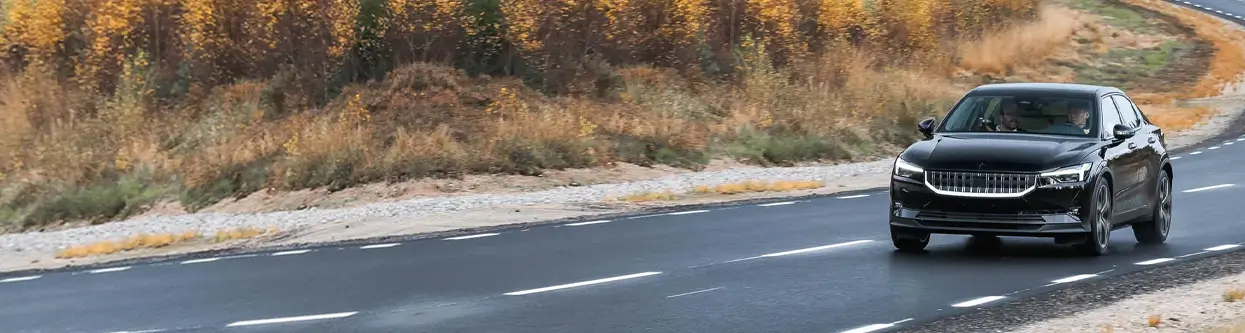
Sedan Car
A convenient and economical option for solo travelers and couples. Suitable for visiting accessible communities near Kathmandu with comfortable private transportation.
SUV / Jeep
Recommended for families, small groups, and selected routes where additional space or a higher-clearance vehicle may be appropriate.
Toyota Hiace Tourist Van
Available upon request for larger private groups who wish to travel together comfortably.
Professional English-Speaking Cultural Guide
Your guide accompanies you throughout the experience, introducing Nepal's traditional spiritual beliefs and explaining the role of Dhami Jhakri in local communities.
The guide also helps facilitate communication with the practitioner, interpret cultural explanations, and ensure that visitors understand appropriate behavior during the meeting.
Guide services are included in the complete guided tour package.
18. Cultural Etiquette, Photography & Respecting Local Traditions
The Nepal Shamanism Tour involves visiting a local community and meeting a traditional spiritual practitioner. Respect for local customs is an important part of the experience.
Respect the Practitioner
Listen carefully, ask questions politely, and avoid interrupting explanations or ceremonies.
Photography and Video Recording
Always request permission before taking photographs or recording videos. Certain sacred objects, private spaces, or ceremonies may not be photographed.
Religious Beliefs
Approach unfamiliar spiritual traditions with an open mind. Visitors are not expected to share the practitioner's beliefs but should respect their cultural significance.
Ceremonial Objects
Do not touch drums, sacred items, offerings, or ritual instruments without permission.
Personal Questions
Avoid intrusive questions about private family matters, spiritual experiences, or confidential ceremonies.
Ritual Participation
Only participate in activities when explicitly invited and when you feel comfortable. Visitors may decline any optional activity.
19. What Should You Wear and Carry During the Tour?
The Nepal Shamanism Tour involves a short journey from Kathmandu and a visit to a local community. Comfortable clothing and a few personal essentials are recommended.
- Comfortable Clothing: Wear modest, seasonally appropriate clothing suitable for visiting a traditional community.
- Walking Shoes: Choose comfortable footwear for short walks and uneven local pathways.
- Water Bottle: Carry drinking water for the journey.
- Valid Passport or ID: Keep identification available if required.
- Camera or Smartphone: Take photographs only with permission.
- Power Bank: Keep your devices charged during the tour.
- Umbrella or Raincoat: Recommended during the monsoon season.
- Sunglasses & Hat: Useful during sunny weather.
- Tissue Paper & Hand Sanitizer: Helpful for personal hygiene.
- Light Jacket: Recommended during cooler months or evening visits.
- Nepalese Currency: Carry small amounts for personal purchases or voluntary contributions.
Travel Tip: Bring a small daypack and avoid carrying unnecessary valuables during community visits.
20. Important Travel Information & Practical Tips
Where Does the Nepal Shamanism Tour Take Place?
The experience takes place in a selected local community near Kathmandu where a traditional Dhami Jhakri is available to welcome visitors.
The exact meeting location is confirmed during the booking process and may vary according to practitioner availability.
How Long Does the Tour Take?
The tour generally takes 3–4 hours, including hotel transfers, community exploration, the practitioner meeting, and the return journey.
Travel time may vary depending on the confirmed location and road conditions.
Is Advance Booking Necessary?
Yes. Advance booking is required to coordinate the practitioner's availability, cultural guide, transportation, and meeting arrangements.
Will Every Visitor Experience the Same Activities?
No. Each practitioner follows their own traditions, and the meeting may differ depending on their background, availability, and willingness to demonstrate particular practices.
Is the Experience Suitable for Senior Citizens?
The tour is generally easy and can be arranged for senior travelers. However, some community locations may involve uneven pathways or steps.
Please inform our team in advance about any mobility requirements.
Can Children Join the Tour?
Yes. Families with children can participate, provided parents supervise them and ensure they respect local customs.
Some chanting, drumming, or ritual activities may be unfamiliar or intense for younger children.
Is This Tour a Medical or Healing Service?
No. The experience is intended for cultural education and respectful observation of traditional spiritual practices.
No medical diagnosis, treatment, or guaranteed healing outcome is provided.
21. Optional Cultural Experiences & Customized Tour Extensions
Travelers interested in Nepal's spiritual heritage can combine the Nepal Shamanism Tour with other cultural and religious experiences around Kathmandu Valley.
Dakshinkali Temple & Hindu Ritual Experience
Explore one of Nepal's important Hindu pilgrimage destinations dedicated to Goddess Kali. Learn about traditional puja ceremonies, religious offerings, and local worship customs.
Discover our 4-Hour Dakshinkali Temple & Hindu Ritual Experience.
Pashupatinath Temple Tour
Visit Nepal's sacred Hindu temple complex dedicated to Lord Shiva. Learn about Hindu traditions, religious ceremonies, and the cultural significance of the Bagmati River.
Boudhanath Stupa & Buddhist Cultural Experience
Explore one of Nepal's most important Buddhist pilgrimage destinations, known for its magnificent stupa, monasteries, prayer wheels, and Tibetan Buddhist traditions.
Traditional Newari Cultural Experience
Discover the living heritage of Kathmandu Valley through historic settlements, traditional architecture, local customs, and community interactions.
Kathmandu Valley Cultural & Spiritual Tour – 7 Days
Extend your cultural journey with visits to sacred temples, Buddhist monasteries, UNESCO World Heritage Sites, traditional Newari towns, and Nagarkot.
Explore our 7-Day Kathmandu Valley Cultural & Spiritual Tour Package.
Note: Optional activities require additional time and may involve separate transportation, guide, entrance, or arrangement costs.
22. Booking Process, Payment & Cancellation Policy
24. Why Book Your Nepal Shamanism Tour with Transport Hire Nepal?
At Transport Hire Nepal, we believe meaningful cultural travel should offer more than sightseeing. Our Nepal Shamanism Tour introduces visitors to traditional spiritual practices through respectful local interaction, professional guidance, and carefully coordinated private arrangements.
Our team organizes meetings with local Dhami Jhakri practitioners according to their availability and consent. We arrange comfortable private transportation, experienced drivers, and English-speaking cultural guides who help visitors understand the background of Nepal's shamanic beliefs and ceremonies.
We recognize that traditional spiritual practices are deeply personal and culturally significant. For this reason, our arrangements focus on respectful observation, clear communication, and realistic expectations rather than guaranteed ritual performances or supernatural experiences.
Whether you are a solo traveler, couple, cultural researcher, photographer, or small private group, we can help arrange a suitable experience based on your interests, preferred departure time, and available schedule.
25. Book Your Private Nepal Shamanism Tour
Discover a fascinating side of Nepal's living cultural heritage through a personal meeting with a traditional Dhami Jhakri. Learn about ancestral beliefs, ritual drums, sacred objects, and spiritual traditions that continue to hold meaning within local communities.
This private half-day journey offers an opportunity to explore Nepalese culture beyond familiar temples and sightseeing attractions. With a knowledgeable English-speaking guide, comfortable private transportation, and carefully arranged local interaction, you can gain a deeper understanding of traditional spiritual practices in an authentic community setting.
Book your Nepal Shamanism Tour today and share your preferred date, group size, and cultural interests. Our team will coordinate practitioner availability and provide a personalized quotation for your private experience.