Muktinath Tour from Pokhara – Trip Facts
Trip Information | Details |
Duration | 2 Days / 1 Night |
Destination | Muktinath Temple, Mustang |
Starting Point | Pokhara |
Ending Point | Pokhara |
Maximum Elevation | Approximately 3,710 meters |
Accommodation | 1 Night in Jomsom |
Tour Type | Private Pilgrimage Tour |
Transportation | Private 4WD Jeep |
Best Season | March–May and September–November |
Difficulty | Easy to Moderate; high altitude |
Suitable For | Hindu and Buddhist Pilgrims, Families and Groups |
Highlights of the Muktinath Pilgrimage Tour
- Visit the sacred Muktinath Temple, an important pilgrimage destination for both Hindu and Buddhist devotees.
- Experience the religious significance of the 108 holy water spouts and the two sacred ponds.
- Enjoy a scenic private jeep journey through the spectacular Kali Gandaki River Valley.
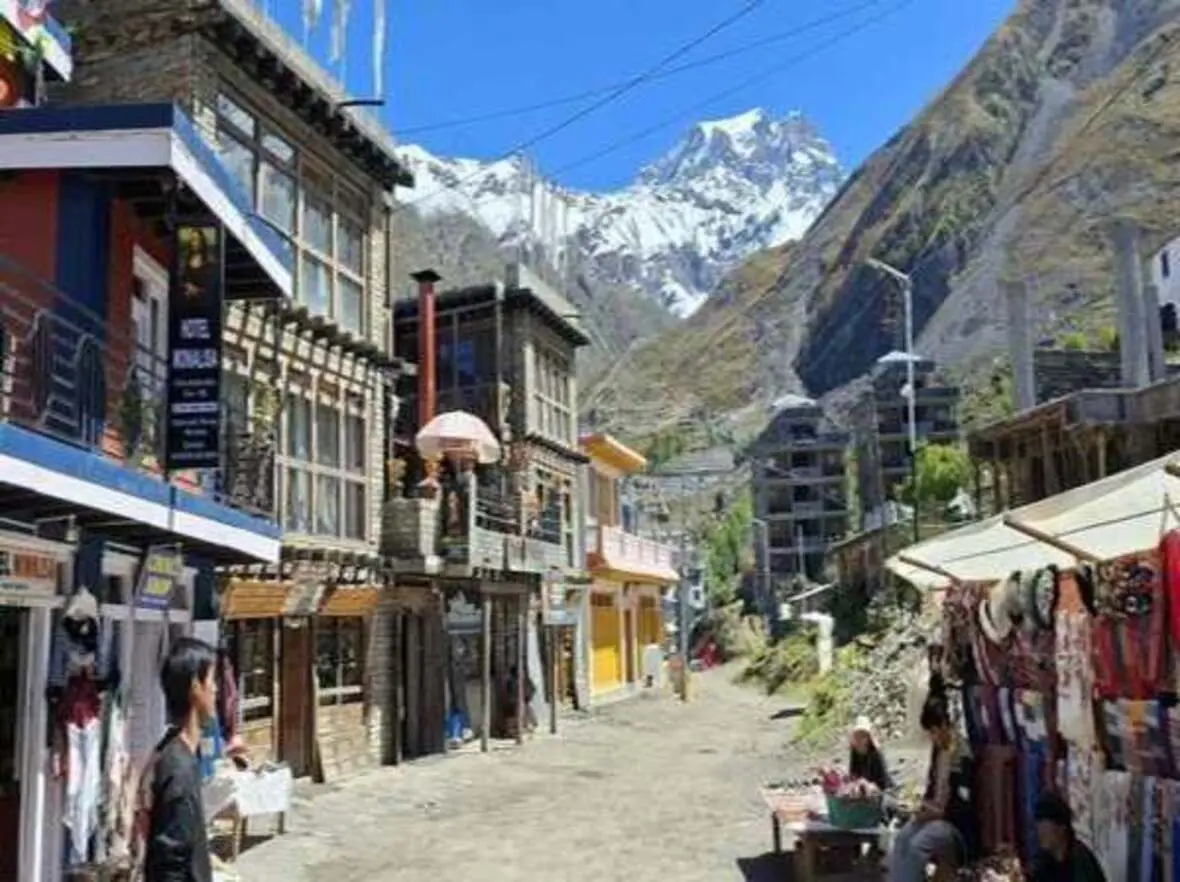
- Explore the traditional mountain settlements of Jomsom, Marpha, and surrounding Mustang villages.
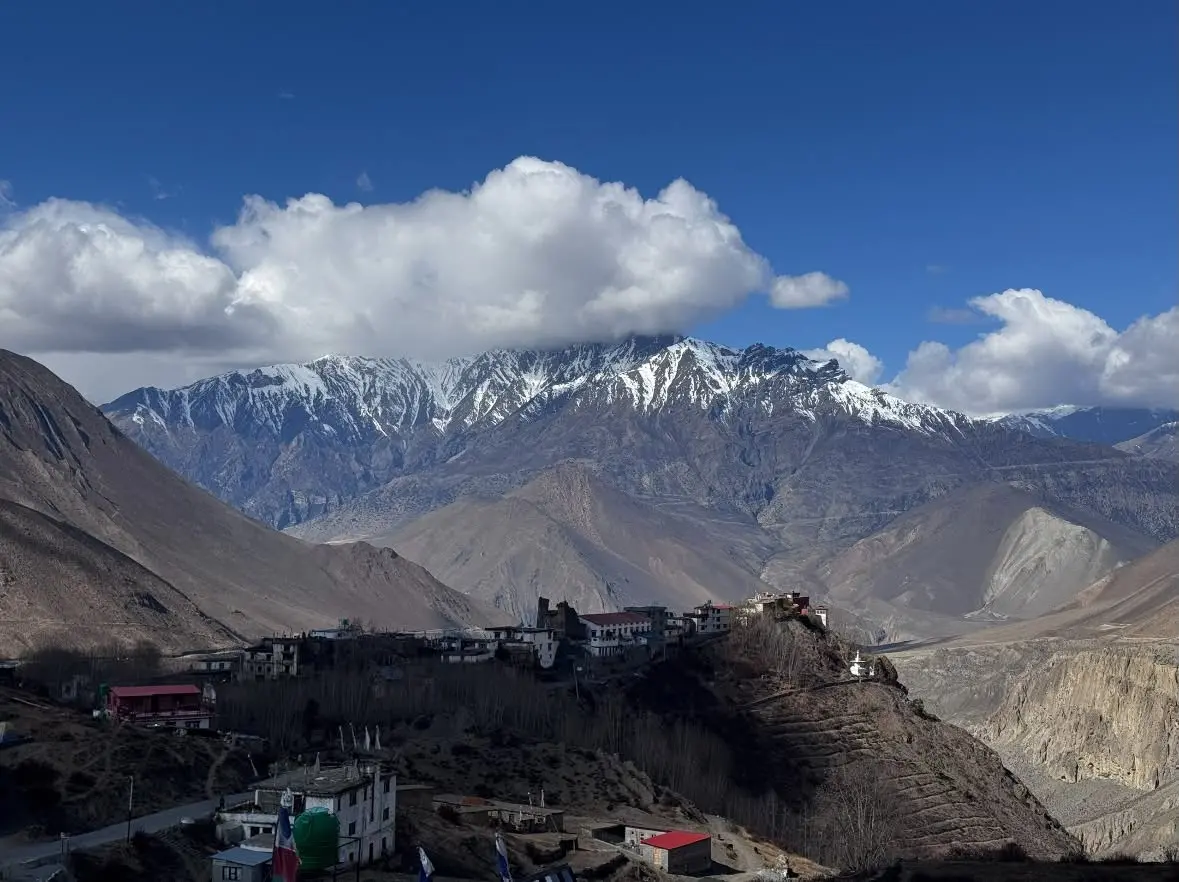
- Admire magnificent Himalayan landscapes, including views of the Annapurna and Dhaulagiri ranges when the weather is clear.
- Spend a comfortable night in Jomsom before continuing to Muktinath for morning darshan.
- Enjoy flexible departure times, convenient stops, and experienced local mountain drivers.
- Complete a meaningful pilgrimage from Pokhara with personalized transportation and travel assistance.
Major Attractions Along the Pokhara to Muktinath Tour
The journey from Pokhara to Muktinath offers more than a religious visit. Along the route, pilgrims can discover traditional villages, dramatic mountain landscapes, and important cultural attractions.
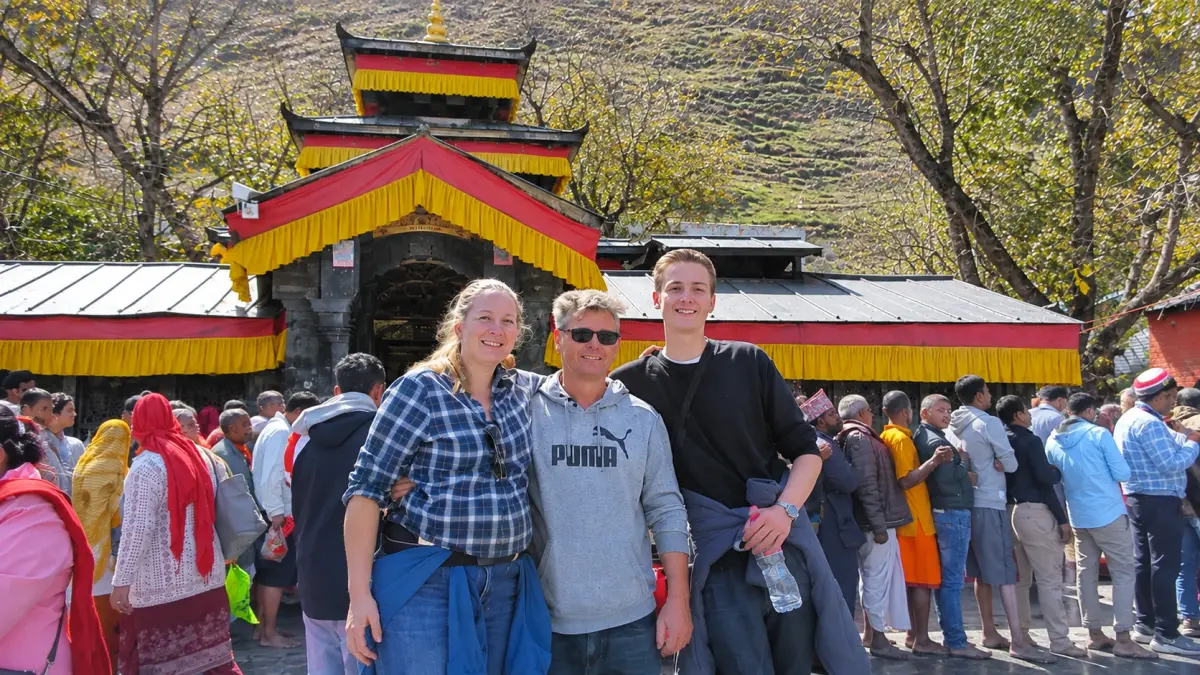
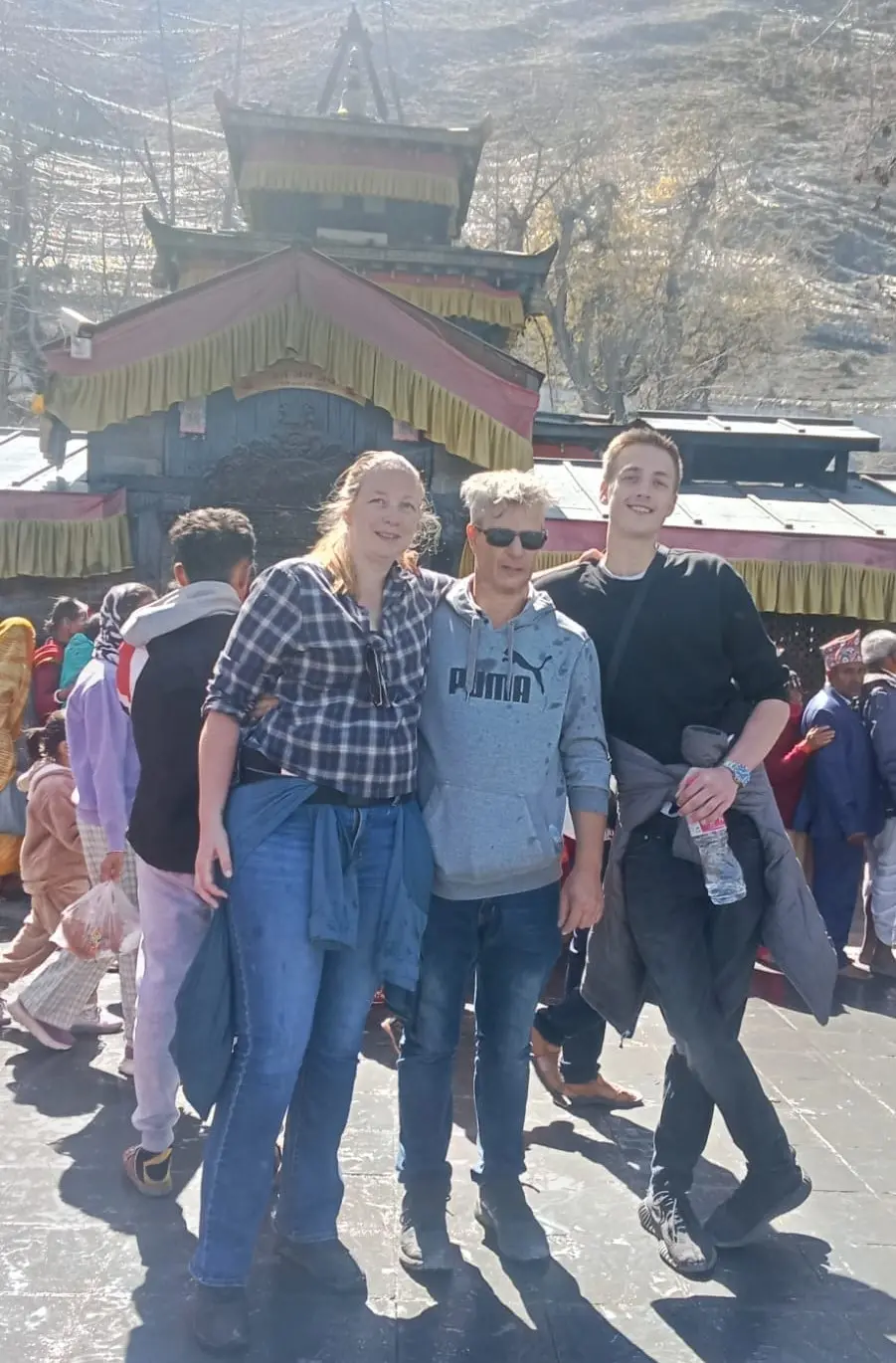
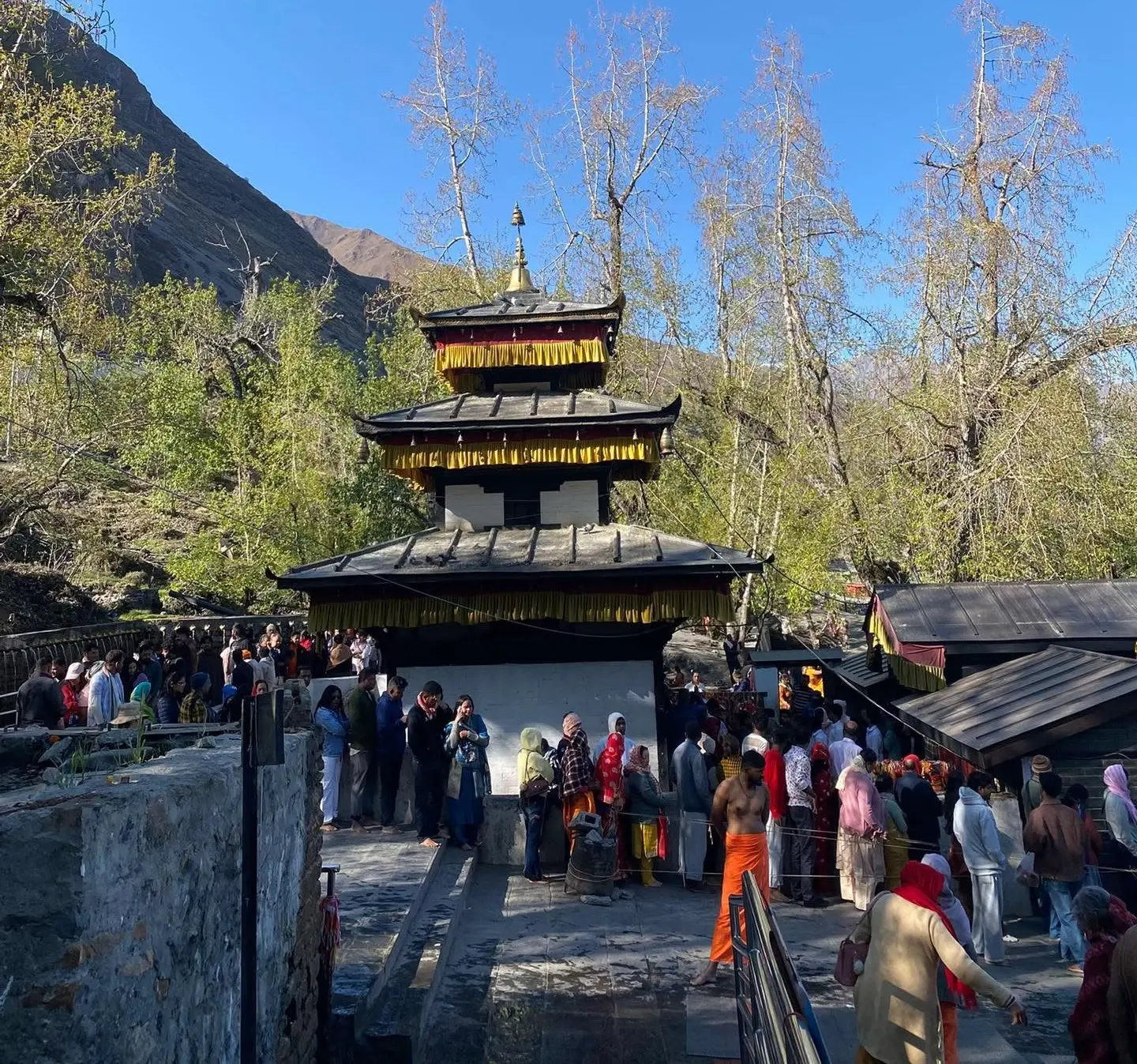
Muktinath Temple
Muktinath Temple is the main destination of the pilgrimage. Dedicated to Lord Vishnu in Hindu tradition and revered as Chumig Gyatsa by Buddhists, the shrine attracts devotees from Nepal, India, and beyond. Pilgrims visit to offer prayers, seek blessings, and experience its peaceful spiritual surroundings.
Kali Gandaki River Valley
The Kali Gandaki Valley is famous for its dramatic mountain scenery, traditional settlements, and religious importance. The river is associated with sacred Shaligram stones, which are especially significant in Vaishnava Hindu traditions. The journey follows sections of this remarkable valley toward Mustang.
Jomsom
Jomsom is the administrative center of Mustang District and an important stopping point for pilgrims traveling to Muktinath. Situated at approximately 2,720 meters, the town offers hotels, restaurants, and beautiful views of the surrounding mountains. It serves as the overnight destination for this two-day pilgrimage.
Marpha Village
Marpha is a traditional Thakali village known for its stone-paved lanes, whitewashed houses, apple orchards, and local culture. Depending on the travel schedule, pilgrims can enjoy a short stop to explore the village, take photographs, or purchase locally produced apple products.
Kagbeni
Kagbeni is a historic village near the meeting point of the Kali Gandaki and Jhong rivers. It is known for its traditional architecture, Buddhist cultural heritage, and religious significance. Many Hindu pilgrims perform ancestral rituals in the Kagbeni area, although additional time and local arrangements may be required.
Jharkot Village
Jharkot is a traditional mountain settlement along the route to Muktinath. Its old houses, monastery, and views of the surrounding Mustang landscape reflect the region's Tibetan-influenced Buddhist culture. A short visit may be possible depending on the available time.
Dhumba Lake
Dhumba Lake is a small mountain lake near Jomsom, surrounded by beautiful scenery and peaceful natural surroundings. It is an optional sightseeing attraction rather than a standard stop on the short pilgrimage itinerary.
Rupse Waterfall
Rupse Waterfall is one of the most beautiful natural attractions along the Pokhara to Muktinath road, located near Dana in the Myagdi district. Cascading down a steep rocky hillside, this impressive waterfall offers a refreshing stop during the journey through the Kali Gandaki Valley. Pilgrims can enjoy the scenery, take photographs, and admire the surrounding mountain landscape before continuing toward Jomsom and Muktinath Temple.
Why Is Muktinath Temple Sacred to Hindus and Buddhists?
Muktinath is one of Nepal's most remarkable religious destinations because it holds deep spiritual significance for both Hindu and Buddhist communities. The temple represents centuries of shared religious heritage in the Himalayan region.
Religious Importance for Hindus
For Hindu devotees, Muktinath is a sacred shrine dedicated to Lord Vishnu. The name Muktinath is commonly interpreted as the Lord of Liberation, reflecting the belief that worship at this holy place can help devotees progress toward moksha, or spiritual liberation.
The temple is traditionally associated with the 108 Divya Desams, sacred Vishnu shrines revered in Sri Vaishnava Hindu tradition. Pilgrims travel to Muktinath to offer prayers, receive blessings, and perform religious rituals.
Many devotees believe that bathing in the sacred waters and worshipping Lord Vishnu at Muktinath brings spiritual purification and religious merit.
Religious Importance for Buddhists
Buddhists know Muktinath as Chumig Gyatsa, meaning One Hundred Waters. It is an important sacred site associated with Tibetan Buddhist traditions and is particularly revered by followers of the Nyingma school.
The area is also associated with Guru Rinpoche, or Padmasambhava, an important figure in the spread of Buddhism across the Himalayan region.
Buddhist pilgrims visit the shrine to offer prayers, make offerings, and experience the spiritual significance of the sacred landscape.
A Sacred Place of Religious Harmony
One of Muktinath's most distinctive features is the shared reverence shown by Hindu and Buddhist pilgrims. Both traditions have maintained a spiritual connection with the site for generations, making it an important example of religious coexistence in Nepal.
Religious Significance of the 108 Holy Water Spouts
The 108 holy water spouts are among the most important religious features of Muktinath Temple. Located behind the main shrine, these stone spouts release naturally cold mountain water that pilgrims regard as sacred.
Why Are There 108 Water Spouts at Muktinath?
The number 108 holds special religious significance in Hinduism and Buddhism. It appears in prayer beads, sacred chants, meditation practices, and various spiritual traditions.
At Muktinath, the 108 water spouts symbolize spiritual purification and are closely connected with the religious beliefs surrounding the temple.
Why Do Pilgrims Bathe Under the 108 Water Spouts?
Many Hindu devotees believe that passing beneath the holy water spouts helps cleanse sins and brings spiritual blessings. Pilgrims traditionally move beneath the flowing water while offering prayers to Lord Vishnu.
The water is extremely cold throughout much of the year because of the temple's high Himalayan location.
Pokhara to Muktinath Tour – Private Vehicle Options
Choosing a suitable vehicle is important for a comfortable pilgrimage to Muktinath. The route includes mountain roads, steep sections, and stretches where surface conditions can change because of rainfall, construction, or landslides.
At Transport Hire Nepal, we arrange private 4WD jeeps with experienced drivers familiar with the Pokhara–Jomsom–Muktinath route.
Private 4WD Jeep – Recommended
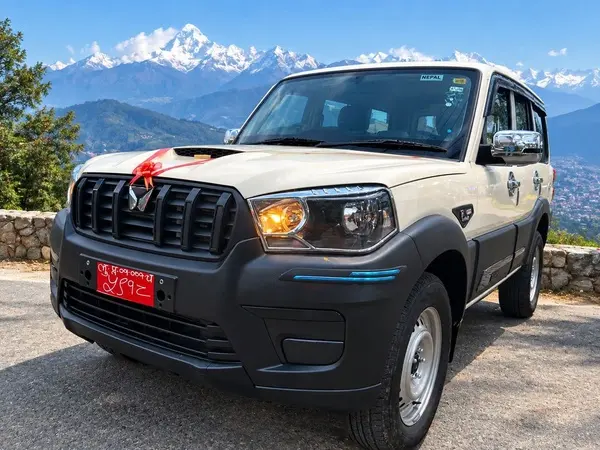
A private four-wheel-drive jeep is the preferred option for this pilgrimage. Vehicles such as the Mahindra Scorpio or similar suitable jeeps provide practical ground clearance and traction for mountain roads.
Private jeep travel is particularly convenient for families, small groups, and pilgrims who prefer flexible stops and direct transportation.
Private SUV
Selected SUVs may be suitable when road conditions allow. However, not every SUV is appropriate for the mountain sections of the Muktinath route. Vehicle suitability must be confirmed according to current road conditions.
Group Transportation
For larger pilgrimage groups, transportation can be arranged according to group size and road accessibility. A combination of suitable vehicles may be necessary for mountain sections where larger buses cannot operate safely.
Why Choose a Private Vehicle?
Private transportation allows pilgrims to select convenient departure times, stop for meals and rest, and travel directly between their accommodation and the destination. It also provides greater flexibility for families and elderly travelers.
The final vehicle recommendation depends on passenger numbers, luggage, travel dates, and road conditions.
Pokhara to Muktinath Road Route, Distance and Travel Time
Muktinath Temple is located approximately 175–180 kilometers by road from Pokhara, depending on the starting point and route used. Although the distance may appear relatively short, the journey takes considerable time because of mountain roads, variable surfaces, and changing weather conditions.
Pokhara to Muktinath Road Route
Pokhara → Beni → Tatopani → Ghasa → Lete → Marpha → Jomsom → Kagbeni → Muktinath
Route Section | Approximate Driving Time |
Pokhara to Beni | 2–3 hours |
Beni to Tatopani | 1–1.5 hours |
Tatopani to Ghasa | 1.5–2.5 hours |
Ghasa to Jomsom | 2–3 hours |
Jomsom to Muktinath | 1–1.5 hours |
Pokhara to Muktinath (total) | 7–8 hours |
These are general planning estimates, not guaranteed journey times. Roadworks, traffic, weather, and seasonal damage can substantially affect travel duration.
What Is the Road Condition from Pokhara to Muktinath?
The journey includes paved roads, rough sections, and mountain roads that may be affected by construction or seasonal damage. Conditions can change quickly, particularly during the monsoon.
A suitable private jeep and experienced mountain driver are recommended.
Is the Two-Day Muktinath Tour Practical?
Yes, the pilgrimage can be completed in two days when roads remain open and travelers are comfortable with long driving hours. However, the schedule is demanding.
Pilgrims who prefer more sightseeing, additional rest, or extended religious ceremonies should consider a three-day itinerary.
Muktinath Permit and Entry Fees
Muktinath Temple lies within the Annapurna Conservation Area. International visitors generally need the applicable Annapurna Conservation Area Permit (ACAP), while requirements and charges differ according to nationality and visitor category.
Muktinath Permit and Fee Details
Permit / Fee | Cost per Person | Information |
ACAP – Foreign Nationals | NPR 3,000 | Standard conservation permit |
ACAP – SAARC Nationals | NPR 1,000 | Applicable to eligible SAARC citizens |
Muktinath Temple Entry | Generally no separate entry fee | Donations and religious offerings are optional |
Puja and Religious Offerings | As selected | Personal expenses |
Important Permit Information
- Foreign pilgrims should carry their passport and relevant travel documents.
- Indian pilgrims should carry valid identification accepted for travel in Nepal.
- Permit requirements should be checked before departure.
- Children and special visitor categories may qualify for different conditions.
- Permit fees and regulations may change; the final requirements and charges should be confirmed before booking.
Transport Hire Nepal can assist with information and arrangements for the permits applicable to your pilgrimage.
Muktinath Temple Darshan – Puja, Rituals and Visiting Information
Muktinath Temple is a sacred place of worship, and pilgrims are encouraged to approach their visit with respect for local religious traditions.
How Do Pilgrims Perform Darshan at Muktinath?
After reaching the temple complex, pilgrims may visit the sacred water spouts, offer prayers at the main shrine, and receive blessings according to their religious customs.
Some Hindu devotees choose to bathe beneath the 108 water spouts and enter the two sacred ponds before offering prayers to Lord Vishnu.
Buddhist pilgrims may offer prayers, make religious offerings, and visit the sacred areas associated with their traditions.
Can Pilgrims Perform Special Puja?
Personal prayers and religious offerings can be made at the temple. Special puja arrangements may be possible through local religious representatives, depending on temple procedures and availability.
Pilgrims planning a particular ceremony should inform the travel organizer in advance.
What Should Visitors Wear?
Warm and modest clothing is recommended. The weather can be cold and windy, even during popular pilgrimage seasons.
Comfortable walking shoes, a warm jacket, gloves, and a hat are useful, especially for elderly travelers.
How Much Time Is Needed for Muktinath Darshan?
Many pilgrims allow approximately one to two hours for the temple visit, including walking, prayers, and photographs. The actual time depends on crowd levels, personal mobility, religious activities, and weather conditions.
Visitors planning elaborate rituals may need additional time.
Best Time to Visit Muktinath Temple from Pokhara
The best time for a Muktinath pilgrimage is generally March to May and September to November, when road conditions and mountain weather are often more favorable.
Spring Season (March to May)
Spring offers relatively comfortable daytime temperatures and attractive Himalayan scenery. It is a popular period for religious travel, family pilgrimages, and sightseeing.
Early mornings can still be cold at Muktinath, so warm clothing is essential.
Autumn Season (September to November)
Autumn is another excellent season for visiting Muktinath. October and November often provide clear mountain views and favorable conditions for road travel.
This is also a popular period for Hindu pilgrimage groups and families traveling during major festivals.
Winter Season (December to February)
Winter brings freezing temperatures, snowfall, and possible road closures. The temple surroundings can become extremely cold, and access may be difficult during heavy snow.
Winter pilgrimages require additional preparation and flexibility.
Monsoon Season (June to August)
Although parts of Mustang receive less monsoon rainfall than southern Nepal, the road from Pokhara passes through areas vulnerable to landslides, flooding, and road damage.
Travel delays and temporary closures are possible during this period.
Accommodation and Food Options During the Pilgrimage
The 1 Night 2 Days Muktinath pilgrimage includes an overnight stay in Jomsom, a popular mountain town in the Mustang region. Jomsom offers various accommodation options, from comfortable luxury-style mountain resorts to standard hotels and affordable guesthouses. Pilgrims can choose accommodation according to their budget, preferred facilities, and travel requirements.
Hotel Accommodation Options in Jomsom
Accommodation Category | Facilities and Services | Recommended For |
Luxury Hotels & Resorts | Premium mountain lodges and resorts offering comfortable rooms, private bathrooms, quality bedding, restaurants, and enhanced hospitality services. Facilities vary by property. | Couples, families, and pilgrims seeking greater comfort |
Standard Hotels | Clean private rooms, attached bathrooms in selected properties, hot water where available, comfortable beds, and restaurant facilities. | Families, small groups, and regular pilgrimage travelers |
Budget Hotels & Guesthouses | Simple rooms, basic bedding, shared or private bathrooms, and affordable meals. Hot water and heating may be limited. | Budget-conscious pilgrims, students, and larger groups |
Important: Jomsom is a remote Himalayan destination, so even premium accommodation may not provide the same facilities as luxury hotels in Kathmandu or Pokhara. Hotel availability, room heating, hot water, and other services should be confirmed before booking.
Vegetarian Food for Hindu Pilgrims
Vegetarian meals are widely available at hotels and restaurants in Jomsom and along the pilgrimage route. Popular options include Nepali dal bhat, rice, vegetable curry, chapati, soup, noodles, and other freshly prepared meals.
Pilgrims requiring pure vegetarian meals, Jain food, or meals without onion and garlic should inform us before departure so suitable dining arrangements can be requested.
Food and Refreshments During the Journey
The Pokhara to Jomsom road passes several settlements where travelers can stop for breakfast, lunch, tea, and refreshments. Private vehicle travel allows flexible meal breaks according to your schedule and available roadside facilities.
Carrying drinking water, light snacks, and personal dietary essentials is recommended, particularly for senior citizens and families traveling with children.
Can We Stay Overnight Near Muktinath Instead of Jomsom?
Yes. Hotels and guesthouses are available in Ranipauwa, the main settlement near Muktinath Temple. However, Ranipauwa is situated at approximately 3,700 meters, considerably higher than Jomsom.
Staying at this elevation after a rapid ascent increases the risk of altitude sickness. For a short pilgrimage, Jomsom is generally the more practical overnight location, although staying there does not eliminate altitude-related risks.
Travelers who prefer accommodation closer to the temple should consider their health, acclimatization needs, and available travel time before making arrangements.
Is the Muktinath Tour Suitable for Senior Citizens and Families?
Yes, many senior citizens and families visit Muktinath Temple by private jeep. However, the journey involves long driving hours, high altitude, cold weather, and walking near the temple.
A two-day itinerary may be tiring for elderly pilgrims, especially those with limited mobility or existing medical conditions.
Why Is Private Jeep Transportation Recommended?
A private jeep offers flexibility for rest stops, meals, and travel arrangements. Families can travel together and adjust the pace of the journey according to their needs.
Can Elderly Pilgrims Visit Muktinath Temple?
Many elderly pilgrims complete the journey successfully, but suitability depends on their health, mobility, and ability to tolerate altitude.
Pilgrims with heart, lung, or other significant medical conditions should seek medical advice before traveling.
Is a Two-Day Tour Comfortable for Senior Citizens?
The two-day itinerary is relatively demanding because it involves substantial driving on both days.
For elderly travelers who prefer a slower pace, a three-day pilgrimage with additional rest time may be more suitable.
Can Families Travel with Children?
Yes, families can travel with children, but parents should prepare for cold weather, long drives, and altitude exposure.
Young children may have difficulty describing symptoms of altitude sickness, so extra care is necessary.
Do Pilgrims Need a Horse After Reaching Muktinath?
A horse is not compulsory for visiting Muktinath Temple. Pilgrims who can walk comfortably may continue from the vehicle parking area to the temple on foot.
However, elderly visitors, people with limited mobility, and pilgrims who find walking difficult at high altitude may choose to hire a horse for part of the approach, where the service is available.
Horse availability, prices, and the permitted riding route depend on local arrangements. The final section may still require walking, so assistance should be planned according to individual mobility needs.
Altitude and Important Travel Safety Information
Muktinath Temple is situated at approximately 3,710 meters (12,172 feet) above sea level in Nepal's Mustang region. Traveling from Pokhara to Muktinath involves a significant increase in altitude within a short period, which can affect visitors who are not accustomed to high Himalayan elevations.
Although the pilgrimage does not require difficult trekking, the combination of high altitude, cold temperatures, mountain roads, and walking near the temple requires proper preparation. Senior citizens, families with children, and pilgrims with existing medical conditions should take additional precautions.
Is Altitude Sickness Possible at Muktinath?
Yes. Altitude sickness, also known as Acute Mountain Sickness (AMS), can affect anyone traveling rapidly to high elevations, regardless of age, physical fitness, or previous travel experience.
At higher altitudes, the reduced oxygen availability makes it more difficult for the body to adjust, particularly when visitors ascend quickly from lower elevations.
Common symptoms of altitude sickness include:
- Headache, dizziness, or lightheadedness.
- Nausea, vomiting, or loss of appetite.
- Unusual tiredness and weakness.
- Difficulty sleeping or disturbed sleep.
- Shortness of breath during mild physical activity.
If these symptoms develop, avoid ascending higher, rest, and seek medical advice. Do not continue toward Muktinath if you are experiencing symptoms of altitude sickness in Jomsom.
Severe symptoms, such as confusion, difficulty walking normally, breathlessness while resting, or a worsening cough with breathing difficulty, may indicate a life-threatening altitude illness. These symptoms require immediate medical attention and urgent descent to a lower elevation. Oxygen or evacuation may also be necessary.
Why Is Staying Overnight in Jomsom Helpful?
Jomsom is situated at approximately 2,720 meters (8,924 feet), considerably lower than Muktinath Temple. Staying overnight in Jomsom provides an intermediate stop before continuing to the higher temple area the following morning.
This arrangement allows pilgrims to rest after the long drive from Pokhara, enjoy a meal, and prepare for the temple visit without completing the entire journey in one day.
However, one night in Jomsom does not guarantee proper altitude acclimatization. The rapid ascent from Pokhara still carries a risk of altitude sickness, and symptoms can develop during the overnight stay or the following day's journey.
Travelers who are particularly vulnerable to altitude-related illness should consider a slower itinerary with additional acclimatization time rather than relying on the standard two-day schedule.
How Can Pilgrims Reduce Altitude-Related Risks?
The following precautions can help pilgrims prepare for the high-altitude environment:
- Travel at a comfortable pace: Avoid rushing, running, or unnecessary physical exertion after reaching higher elevations.
- Drink water regularly: Maintain normal hydration throughout the journey without forcing excessive amounts of water.
- Avoid alcohol and sedatives: Alcohol and certain sleeping medications can interfere with breathing and make altitude-related symptoms more difficult to recognize.
- Eat regular meals: Choose light, nutritious food and avoid traveling on an empty stomach.
- Wear warm clothing: Carry a windproof jacket, warm layers, gloves, and comfortable walking shoes.
- Monitor your health: Pay attention to headaches, nausea, unusual fatigue, dizziness, or changes in breathing.
- Seek medical advice before traveling: Visitors with heart or lung conditions, previous severe altitude illness, or other significant health concerns should consult a qualified healthcare professional.
Medication to prevent altitude sickness may be appropriate for some travelers, but it should only be taken following medical advice. Preventive medication does not replace careful acclimatization or emergency descent when necessary.
Is Muktinath Safe for Senior Citizens?
Many senior citizens visit Muktinath Temple successfully, but age alone does not determine whether high-altitude travel is safe.
The main considerations are a person's general health, mobility, medical history, and ability to tolerate rapid altitude changes.
Elderly pilgrims should consult their doctor before departure, especially if they have heart disease, respiratory problems, or other significant medical conditions.
A private jeep can make the journey more convenient by allowing flexible rest stops and a comfortable travel schedule. However, private transportation does not eliminate altitude-related health risks.
What Should Pilgrims Know About Walking at Muktinath?
The walk from the designated vehicle parking area to Muktinath Temple generally takes approximately 15–20 minutes for reasonably fit visitors. At 3,710 meters, even a short uphill walk can feel more demanding than usual.
Walk slowly, take breaks when needed, and avoid unnecessary physical exertion. Horse assistance may be available for part of the approach, but it does not remove the effects of high altitude.
Important Safety Advice for the Two-Day Pilgrimage
The 1 Night 2 Days itinerary is designed for pilgrims with limited travel time, but it involves a rapid increase in elevation and substantial road travel.
If altitude sickness symptoms appear, health and safety must take priority over completing temple darshan. Delaying or canceling the temple visit and descending when medically indicated is safer than continuing the pilgrimage while unwell.
Pilgrims who need a more gradual journey, particularly those with previous altitude-related problems, should consider a longer itinerary and obtain medical guidance before booking.
What Are the Main Road Travel Risks?
Mountain roads may be affected by landslides, falling rocks, snow, rainfall, and ongoing construction. Travel times can change unexpectedly.
Experienced drivers, suitable vehicles, and flexible schedules are important for safe road travel.
What Should Pilgrims Carry?
Carry warm clothing, drinking water, personal medication, comfortable walking shoes, sunscreen, sunglasses, and necessary identification documents.
Pilgrims should also carry sufficient cash because electronic payment facilities may be limited in some mountain locations.
Is the Walking Route Difficult?
The walk is relatively short, but the high elevation makes physical activity more demanding than at lower altitudes.
Pilgrims should walk slowly, take breaks when necessary, and avoid rushing.
Is Horse Assistance Available?
Horse services may be available near the parking area for pilgrims who need assistance. Availability and prices vary, and horses may not reach every part of the temple approach.
Can Vehicles Reach the Main Temple Entrance?
Private jeeps generally stop at the designated vehicle parking area. Visitors must complete the remaining approach on foot or use locally available assistance where permitted.
Our Recommendation: Allow additional time for senior citizens and anyone who needs to walk slowly. Completing darshan comfortably is more important than following a strict schedule.
Muktinath Tour by Flight and Jeep from Pokhara
Pilgrims who prefer to reduce road travel can consider a combined flight and jeep journey from Pokhara to Muktinath.
Optional Muktinath Tour by Flight and Private Jeep from Pokhara
For pilgrims who prefer to avoid the long road journey from Pokhara to Jomsom, an optional flight and private jeep tour can be arranged, subject to flight availability and weather conditions. This alternative combines a scenic Himalayan flight with a private road transfer to Muktinath Temple.
How Does the Flight and Jeep Tour Work?
Begin your journey with a scheduled domestic flight from Pokhara to Jomsom, offering beautiful aerial views of the Annapurna and Dhaulagiri mountain ranges when the weather is clear.
Upon arrival at Jomsom Airport, meet your private jeep driver and continue toward Muktinath Temple. The mountain drive generally takes approximately 1–1.5 hours, depending on road conditions.
After reaching the designated vehicle parking area, continue toward the temple on foot or arrange locally available horse assistance if required. Complete your darshan, prayers, and religious rituals before continuing according to your planned itinerary.
Why Choose the Flight and Jeep Option?
- Avoids the lengthy road journey between Pokhara and Jomsom.
- Offers spectacular Himalayan views during the scenic mountain flight.
- Combines convenient air travel with private jeep transportation.
- Provides an alternative for pilgrims with limited travel time.
- Allows flexible arrangements for overnight accommodation and return transportation.
Important Flight Information
Flights between Pokhara and Jomsom are highly dependent on weather conditions, particularly visibility and strong winds in the Kali Gandaki Valley. Delays, cancellations, and schedule changes are possible.
Flight schedules, ticket availability, and private jeep arrangements must be confirmed before booking.
Altitude Consideration: Flying directly to Jomsom involves a rapid altitude increase. Continuing to Muktinath shortly afterward may increase the risk of altitude sickness. Pilgrims should consider their health, allow appropriate acclimatization, and seek medical advice when necessary.
Optional Muktinath Helicopter Tour from Pokhara
Experience a remarkable Himalayan pilgrimage with an optional private helicopter tour from Pokhara to Muktinath Temple. This alternative is designed for pilgrims who prefer a shorter journey without the extended mountain road travel.
A helicopter tour combines scenic Himalayan views with an opportunity to visit one of Nepal's most sacred Hindu and Buddhist pilgrimage destinations. It can be arranged for private families, couples, and small groups according to aircraft availability and operational conditions.
How Does the Muktinath Helicopter Tour Work?
Your pilgrimage begins at the designated helicopter departure point in Pokhara. After completing passenger check-in, weight verification, and a safety briefing, board the helicopter for a scenic flight toward the Mustang region.
Enjoy breathtaking aerial views of mountain valleys, traditional settlements, and the Annapurna and Dhaulagiri ranges when visibility permits.
The helicopter lands at an authorized landing location near Muktinath Temple, subject to aviation permissions, weather conditions, and the pilot's safety assessment.
After landing, continue toward the temple for darshan, prayers, and religious rituals. Pilgrims may visit the sacred 108 water spouts and the main Vishnu shrine according to their religious traditions and available time.
Following the temple visit, return to the helicopter and fly back to Pokhara as scheduled, subject to safe flying conditions.
Why Choose a Muktinath Helicopter Tour?
- Avoids the long and sometimes challenging road journey through Mustang.
- Offers magnificent aerial views of the Himalayan landscape.
- Provides a private pilgrimage option for families and small groups.
- Reduces overall travel time compared with a complete road journey.
- Allows customized arrangements according to group size and available flight schedules.
Is the Helicopter Tour Suitable for Senior Citizens?
A helicopter tour can reduce physical fatigue associated with long road travel, making it an option worth considering for elderly pilgrims.
However, helicopter travel does not eliminate high-altitude health risks. Rapid ascent to approximately 3,710 meters can cause altitude sickness, and visitors may still need to walk to reach the temple.
Senior citizens and travelers with heart, lung, or other significant medical conditions should consult a healthcare professional before booking.
Muktinath Helicopter Tour Cost from Pokhara
The cost of a private helicopter pilgrimage depends on several factors, including aircraft availability, passenger numbers, total passenger weight, travel dates, and the planned flight arrangements.
A personalized quotation can be provided after confirming your group size, preferred travel date, and pilgrimage requirements.
Important: Helicopter services are subject to suitable weather, current aviation permissions, landing availability, and the operator's safety decisions. Flight schedules and temple visiting time may change because of operational conditions.
Why Choose Transport Hire Nepal for Your Muktinath Pilgrimage?
A successful pilgrimage begins with thoughtful planning, reliable transportation, and an understanding of the challenges of traveling through Nepal's Himalayan region. The journey from Pokhara to Muktinath involves changing road conditions, high-altitude landscapes, and a schedule that must allow sufficient time for temple darshan and religious activities.
We focus on providing practical travel arrangements that meet the needs of Hindu and Buddhist pilgrims, families, senior citizens, and private groups. Our experienced mountain drivers are familiar with the Mustang route, while our flexible itineraries allow travelers to enjoy convenient stops, suitable accommodation, and a comfortable journey.
From selecting an appropriate 4WD jeep to coordinating overnight stays in Jomsom and providing essential travel information, every arrangement is designed around your pilgrimage requirements. Whether you prefer a traditional road journey or an alternative flight or helicopter experience, we help you choose a suitable option based on your available time, budget, and travel preferences.
Our priority is to provide dependable service, transparent pricing, and personalized assistance so you can concentrate on the spiritual purpose of your visit.
Book Your Muktinath Darshan Tour from Pokhara
Are you planning to seek blessings at the sacred Muktinath Temple? Whether you are organizing a family pilgrimage, traveling with elderly parents, or fulfilling a long-awaited religious wish, we can help you arrange a suitable journey from Pokhara.
Choose a 1 Night 2 Days private jeep pilgrimage or request a customized itinerary with additional sightseeing, accommodation, and transportation arrangements. Share your travel dates, number of pilgrims, preferred vehicle, and special requirements to receive a personalized quotation.
Book Your Muktinath Darshan Tour from Pokhara with Transport Hire Nepal! Our team is ready to assist you with reliable transportation, practical travel planning, and a memorable pilgrimage to one of Nepal's most sacred Himalayan destinations.