Bhutan Cultural Tour Highlights
- Explore Bhutan's rich Buddhist heritage across Paro, Thimphu, Punakha, and Phobjikha Valley.
- Discover historic monasteries, traditional villages, and beautifully preserved Bhutanese architecture.
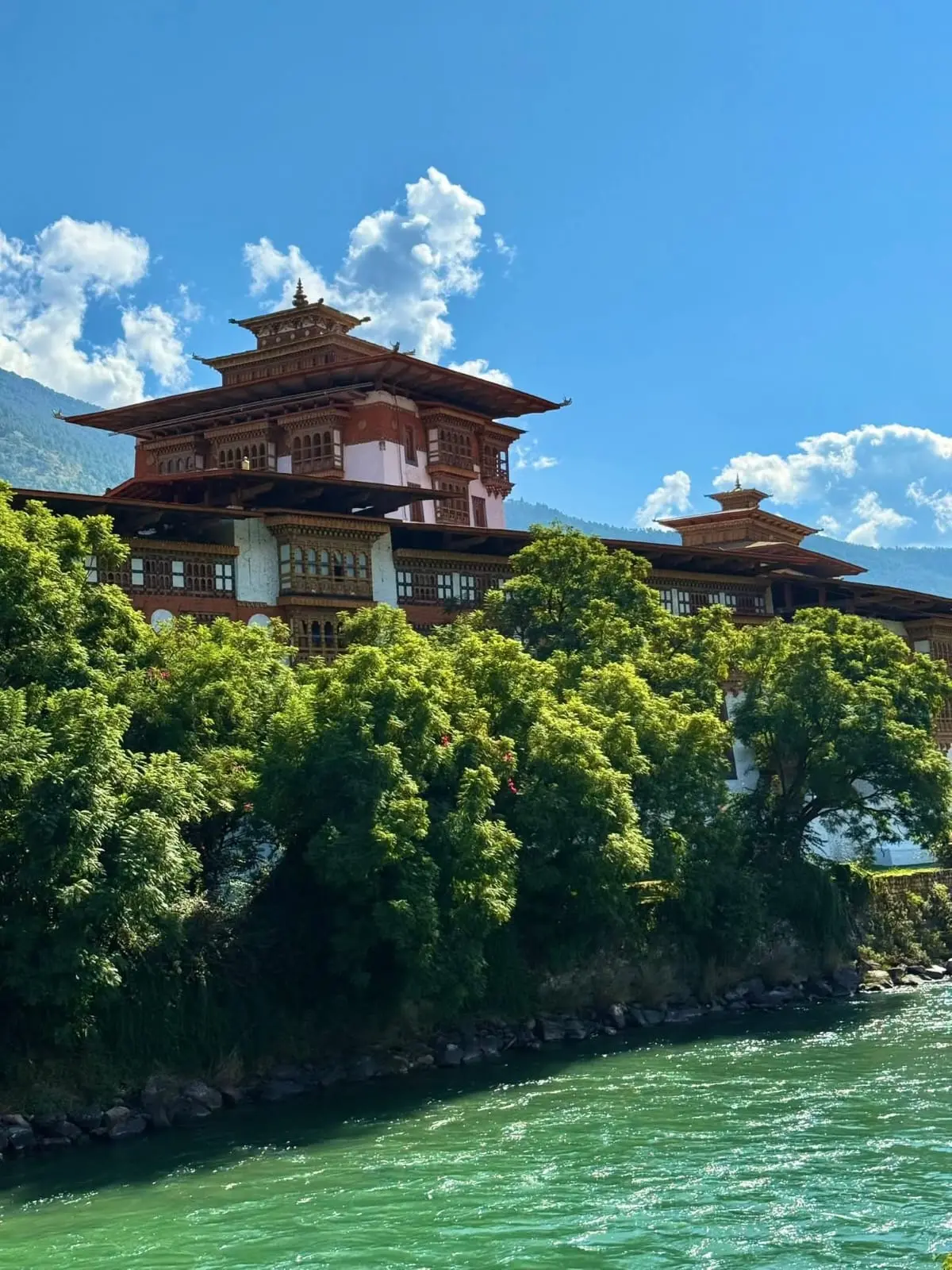
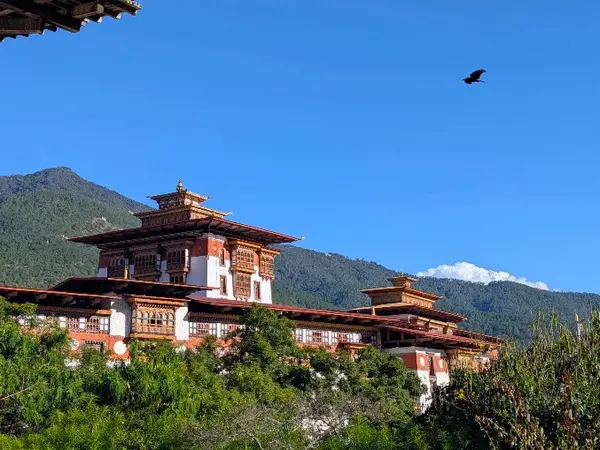
- Visit the magnificent Punakha Dzong, surrounded by rivers and scenic countryside.
- Cross Dochula Pass and admire its 108 memorial chortens and Himalayan views.
- Experience the peaceful Phobjikha Valley and visit historic Gangtey Monastery.
- Learn about traditional Bhutanese handicrafts, local customs, and rural lifestyles.
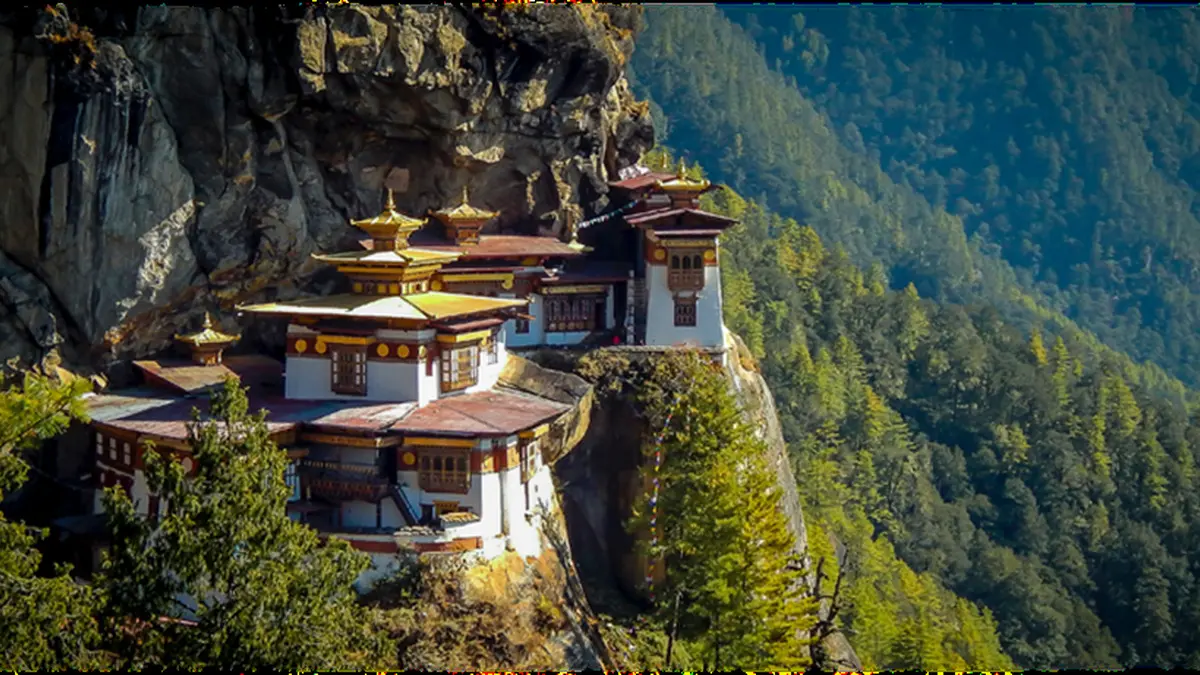
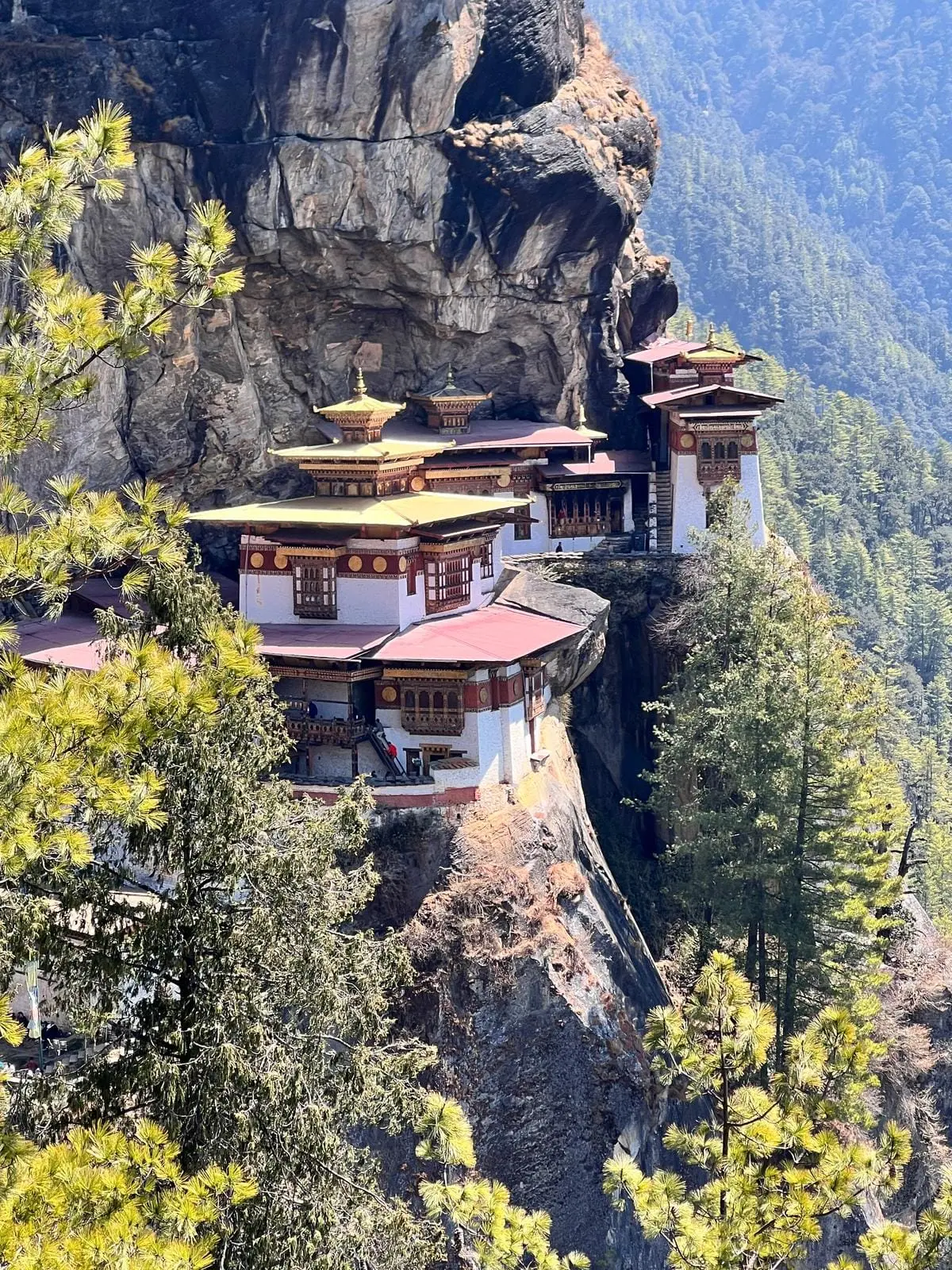
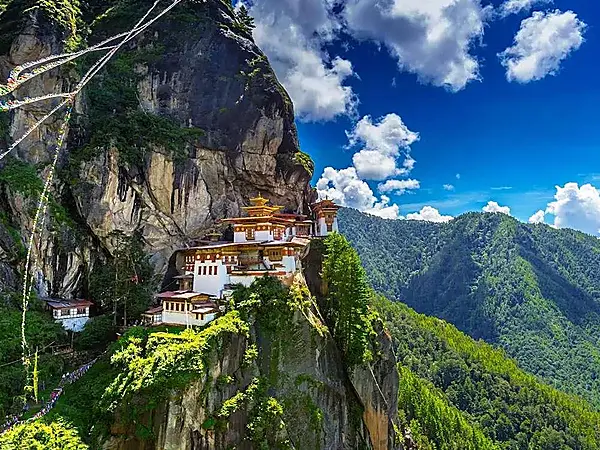
- Hike to the famous Tiger's Nest Monastery, dramatically perched above Paro Valley.
Enjoy personalized cultural sightseeing with a licensed Bhutanese guide and private transportation.
Bhutan Cultural Tour Trip Facts
Trip Details | Information |
Duration | 6 Days / 5 Nights |
Destinations | Paro, Thimphu, Punakha & Phobjikha |
Start / End Point | Paro International Airport |
Accommodation | 5 Nights in Hotels |
Tour Type | Private Cultural & Heritage Tour |
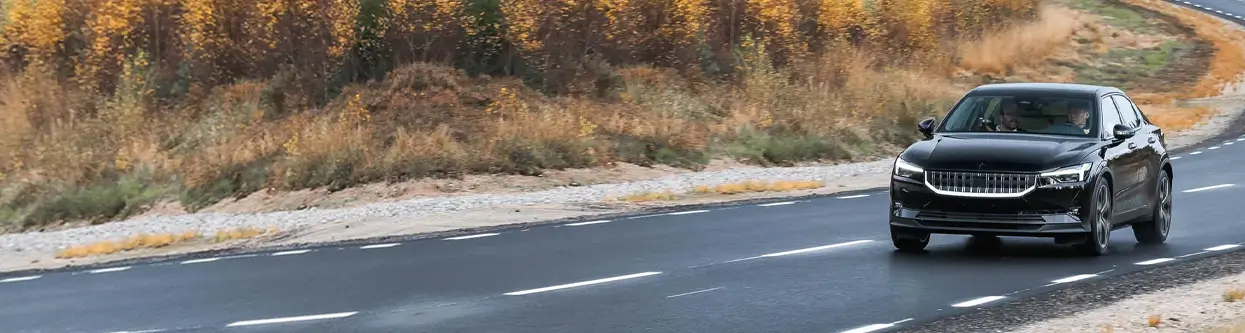
Transportation | Private Car / SUV / Van |
Tour Guide | Licensed Bhutanese Guide |
Difficulty | Easy to Moderate |
Highest Hiking Point | Tiger's Nest – Approximately 3,120 m |
Best Season | March–May & September–November |
Suitable For | Couples, Honeymooners, Families & Groups |
Departure | Private / On Request |
Bhutan's Living Culture: What Makes This Journey Special?
Bhutan is a country where traditional culture remains closely connected to everyday life. Buddhist monasteries, religious ceremonies, traditional clothing, and distinctive architecture continue to play important roles in local communities.
During this six-day cultural journey, you will experience different aspects of Bhutanese heritage across four destinations. Thimphu introduces the country's cultural institutions and traditional craftsmanship, while Punakha reveals its historic religious and architectural landmarks.
Phobjikha Valley offers opportunities to experience rural Bhutan, where traditional farmhouses, peaceful villages, and Buddhist monasteries remain important parts of the landscape.
Paro completes the journey with sacred temples and the remarkable Tiger's Nest Monastery.
Unlike a holiday focused only on famous viewpoints, this tour encourages visitors to understand the traditions, beliefs, and lifestyles that make Bhutan unique.
Discover Bhutan's Ancient Buddhist Monasteries and Sacred Temples
Buddhism has shaped Bhutan's history, architecture, festivals, and everyday traditions for centuries. Monasteries and temples are not simply tourist attractions; many remain active centers of religious practice and community life.
During your Bhutan cultural tour, you will visit several important religious landmarks, each offering a different perspective on the country's spiritual heritage.
Tiger's Nest Monastery: Bhutan's most famous sacred site, dramatically built into a cliff above Paro Valley.
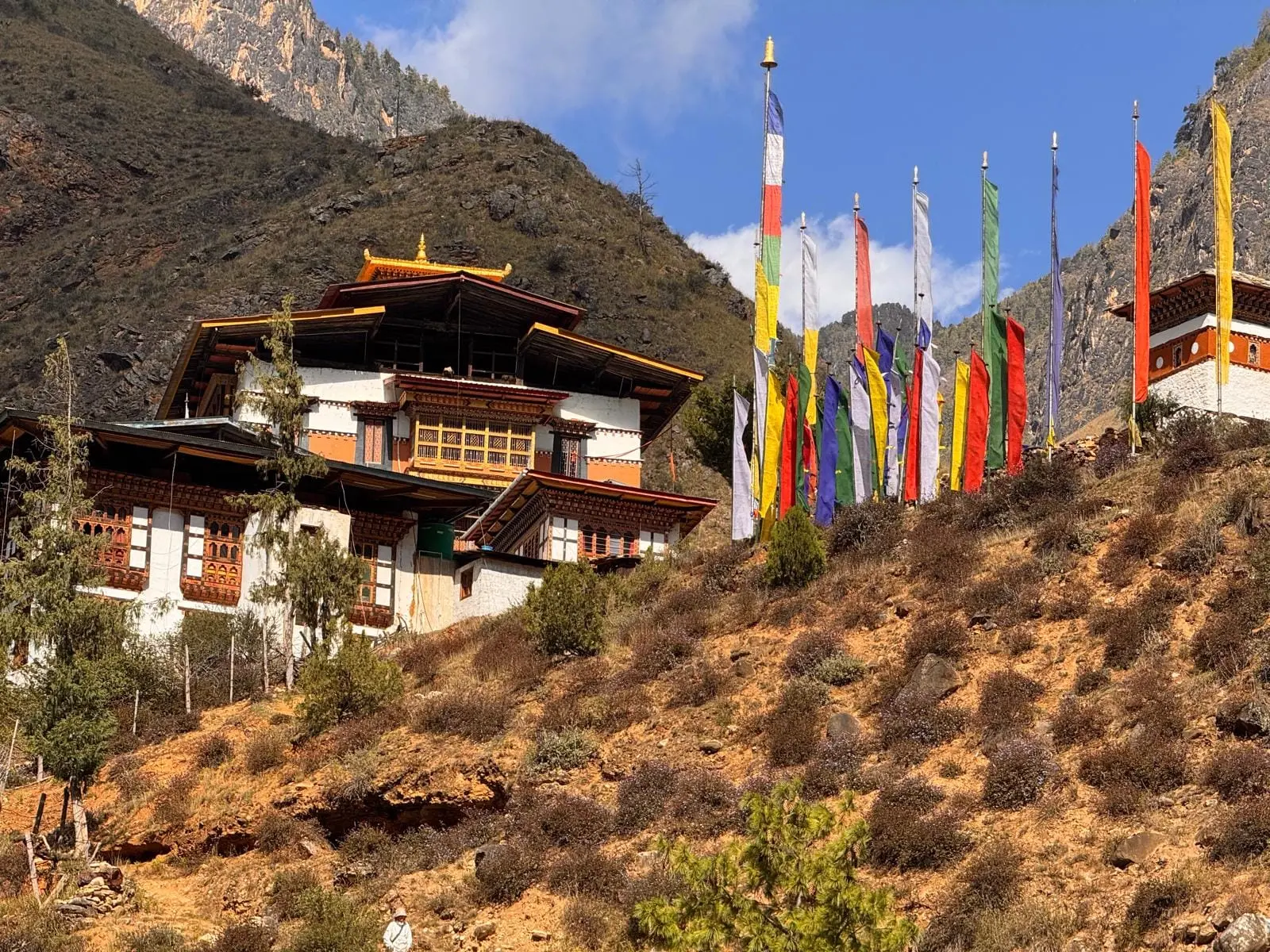
Gangtey Monastery: An important Buddhist monastery overlooking the peaceful Phobjikha Valley.
Punakha Dzong: A magnificent fortress-monastery that continues to serve important religious and ceremonial functions.
National Memorial Chorten: A popular religious monument in Thimphu where local devotees gather for prayers.
Kyichu Lhakhang: One of Bhutan's oldest Buddhist temples, known for its historical and spiritual importance.
Visiting these sacred places offers travelers an opportunity to appreciate Bhutan's religious traditions, traditional craftsmanship, and remarkable architectural heritage.
Why Is Phobjikha Valley One of Bhutan's Most Peaceful Destinations?
Phobjikha Valley is a beautiful highland valley surrounded by forested mountains, rolling grasslands, and traditional Bhutanese farmhouses.
Unlike the busier sightseeing destinations of Paro and Thimphu, Phobjikha offers a quieter atmosphere where visitors can experience Bhutan's natural beauty and rural traditions.
The valley is particularly famous as a winter habitat for the endangered black-necked crane. These remarkable birds generally arrive during the colder months, making the area an important destination for nature enthusiasts.
Traditional villages, open landscapes, and the historic Gangtey Monastery add to the valley's cultural significance.
A visit to Phobjikha provides a refreshing contrast to Bhutan's historic towns and impressive fortresses. It is an excellent destination for travelers who enjoy peaceful surroundings, cultural discovery, and scenic mountain landscapes.
Gangtey Monastery: A Spiritual Landmark Above the Beautiful Valley
Gangtey Monastery, also known as Gangtey Goemba, is one of the most important religious landmarks in the Phobjikha region.
Located on a hill overlooking the valley, the monastery offers beautiful views of surrounding grasslands, traditional villages, and forested mountains.
The monastery belongs to the Nyingma tradition of Tibetan Buddhism and has played an important role in the region's religious history.
Visitors can admire traditional Bhutanese architecture, beautifully decorated religious buildings, and the peaceful atmosphere surrounding the complex.
The nearby valley is also known for its traditional farming communities and seasonal black-necked crane migration.
For travelers interested in Bhutanese spirituality, architecture, and rural culture, Gangtey Monastery is one of the most rewarding stops on this six-day journey.
Experience Traditional Bhutanese Village Life and Local Hospitality
One of the most memorable aspects of visiting Bhutan is discovering how traditional customs remain part of everyday life.
Beyond the country's famous monasteries and historic fortresses, rural communities offer opportunities to experience Bhutanese farming traditions, family lifestyles, and local hospitality.
During your journey through Punakha and Phobjikha Valley, you will pass traditional farmhouses, cultivated fields, and small mountain settlements.
Many Bhutanese homes feature distinctive wooden windows, colorful decorative paintings, and traditional architectural designs.
Depending on local arrangements and available time, travelers may have opportunities to visit a traditional farmhouse, learn about rural lifestyles, or enjoy locally prepared food.
These experiences provide a deeper understanding of Bhutanese culture beyond conventional sightseeing.
Bhutanese Architecture, Handicrafts and Traditional Dress
Bhutan's traditional architecture is one of the country's most recognizable cultural features. Historic fortresses, monasteries, and family homes often display beautifully carved wooden windows, decorative paintings, and distinctive roof designs.
The country's handicraft traditions are equally fascinating. Local artisans continue to practice weaving, woodcarving, painting, sculpture, and other traditional crafts.
Bhutanese textiles are particularly admired for their colorful patterns and detailed craftsmanship.
Traditional clothing also remains an important part of national identity. Men commonly wear the Gho, while women wear the Kira, particularly during formal occasions, religious ceremonies, and official activities.
During your cultural tour, you can explore local handicraft shops, traditional markets, and cultural attractions where these artistic traditions are preserved.
Discovering Bhutan's architecture and craftsmanship provides an interesting introduction to the country's history, creativity, and cultural identity.
What Is the Cultural Significance of Bhutan's Colorful Prayer Flags?
Colorful prayer flags are among the most recognizable features of Bhutan's mountain landscapes.
You will see them along mountain passes, near monasteries, beside rivers, and around traditional villages.
In Bhutanese Buddhist tradition, prayer flags carry sacred prayers, mantras, and spiritual symbols. As the wind moves through the flags, it is traditionally believed to spread blessings and positive wishes.
Different colors are associated with natural elements and spiritual symbolism.
Prayer flags are often placed at meaningful locations, including mountain viewpoints, religious sites, and places associated with remembrance or spiritual practice.
During your Bhutan cultural tour, you will encounter beautiful displays of prayer flags at Dochula Pass, Tiger's Nest Monastery, and other scenic locations.
These simple yet meaningful traditions reflect the close relationship between Bhutanese spirituality, nature, and everyday life.
Traditional Bhutanese Food: What Should You Try During Your Holiday?
Bhutanese cuisine is known for its distinctive flavors, generous use of chilies, and traditional ingredients.
Food is an important part of local culture, and trying authentic Bhutanese dishes can make your holiday even more memorable.
Ema Datshi: Bhutan's famous dish prepared with chilies and cheese, often served with rice.
Kewa Datshi: A comforting dish made with potatoes, cheese, and mild seasonings.
Shamu Datshi: A traditional preparation combining mushrooms and cheese.
Phaksha Paa: A popular pork dish cooked with chilies and local ingredients.
Jasha Maru: A flavorful Bhutanese chicken dish prepared with spices, garlic, and ginger.
Red Rice: A traditional Bhutanese staple commonly served with vegetables, meat, and local curries.
Vegetarian meals and less spicy options can usually be arranged upon request.
For travelers interested in local cuisine, we can also help arrange a traditional Bhutanese dining experience during the tour.
Can You Experience Authentic Bhutanese Culture in Six Days?
Yes. Six days provide an excellent opportunity to discover Bhutan's cultural heritage, particularly when the itinerary includes Paro, Thimphu, Punakha, and Phobjikha Valley.
Each destination introduces a different aspect of Bhutanese life. Thimphu offers traditional handicrafts, cultural institutions, and Buddhist monuments, while Punakha showcases historic architecture and peaceful rural communities. Phobjikha Valley provides an opportunity to experience traditional mountain villages and religious heritage.
In Paro, travelers can visit ancient temples and hike to the remarkable Tiger's Nest Monastery.
Although six days cannot cover every cultural region of Bhutan, this itinerary offers a meaningful introduction to the country's traditions, history, architecture, and local lifestyles.
The combination of guided sightseeing, village experiences, and historic religious landmarks makes this journey particularly rewarding for travelers interested in cultural discovery.
Bhutan Cultural Festivals: Tshechu Celebrations and Masked Dances
Bhutan's traditional festivals, known as Tshechus, are among the country's most fascinating cultural experiences. These religious celebrations bring local communities together through sacred masked dances, traditional music, colorful clothing, and Buddhist ceremonies.
Many Tshechu festivals honor Guru Rinpoche, who holds an important place in Bhutanese Buddhism. Monks and trained performers present symbolic dances representing religious teachings, historical events, and spiritual traditions.
Visitors may also see local families dressed in traditional Gho and Kira, gathering to celebrate and receive blessings.
Some of Bhutan's best-known celebrations include the Paro Tshechu, Thimphu Tshechu, and Punakha festivals.
Festival dates follow the Bhutanese calendar and vary each year. Travelers interested in attending a celebration should confirm the official schedule before booking.
If your travel dates coincide with a local festival, we can help adjust the sightseeing itinerary to include the experience where practical.
Tiger's Nest Monastery: A Sacred Journey Through Bhutanese History
Tiger's Nest Monastery, locally known as Paro Taktsang, is one of Bhutan's most important pilgrimage destinations and a remarkable symbol of its Buddhist heritage.
According to religious tradition, Guru Rinpoche traveled to this sacred location during the eighth century and meditated in a cave on the mountainside.
The monastery stands dramatically against a rocky cliff approximately 900 meters above Paro Valley, surrounded by forested mountains and beautiful natural scenery.
Reaching the monastery requires a rewarding hike through pine forests, prayer flags, and mountain viewpoints. Along the way, travelers experience the peaceful atmosphere that makes the site so special.
The journey offers more than beautiful photographs. It provides an opportunity to learn about Bhutan's religious traditions, spiritual beliefs, and centuries-old cultural heritage.
For many visitors, the Tiger's Nest hike becomes the most memorable experience of their Bhutan cultural holiday.
Is the 6 Days Bhutan Cultural Tour Suitable for First-Time Visitors?
This six-day Bhutan cultural tour is an excellent choice for first-time visitors who want to experience more than the country's most famous sightseeing attractions.
The itinerary introduces four distinctive destinations, combining historic monasteries, traditional villages, beautiful valleys, and cultural landmarks.
Private transportation and a licensed Bhutanese guide make travel arrangements convenient, allowing visitors to focus on discovering the country.
Most sightseeing activities involve short walks, although the Tiger's Nest Monastery hike requires moderate physical fitness.
The journey also includes mountain road travel, particularly between Punakha, Phobjikha, and Paro. Travelers should therefore be comfortable with several hours of driving on certain days.
For visitors interested in Bhutan's Buddhist heritage, rural lifestyles, architecture, and Himalayan landscapes, this itinerary provides a rewarding first introduction.
Accommodation: Traditional Bhutanese Hotels and Comfortable Resorts
During your six-day Bhutan cultural tour, you will stay in selected hotels offering comfortable accommodation and convenient access to sightseeing destinations.
Many hotels in Bhutan incorporate traditional architectural features, including carved wooden windows, decorative paintings, and locally inspired interiors.
Destination | Overnight Stay |
Thimphu | 1 Night |
Punakha | 1 Night |
Phobjikha Valley | 1 Night |
Paro | 2 Nights |
Total | 5 Nights |
- Standard Hotels: Comfortable rooms with private bathrooms, essential amenities, and breakfast facilities.
- Boutique and Deluxe Hotels: Attractive properties featuring traditional Bhutanese architecture, additional comfort, and personalized hospitality.
- Luxury Hotels and Resorts: Premium accommodation offering beautiful surroundings, spacious rooms, upgraded services, and selected wellness facilities.
- Traditional Farmhouse Stays: Where available, a farmhouse experience may be arranged for travelers interested in local hospitality and traditional village life.
Hotel selections depend on travel dates, availability, and individual preferences. Phobjikha has fewer accommodation choices than Paro and Thimphu, so advance booking is recommended.
Private Transportation and Licensed Bhutanese Cultural Guide
Explore Bhutan comfortably with private transportation, an experienced driver, and a licensed Bhutanese guide throughout your journey.
We arrange suitable vehicles according to group size, luggage requirements, road conditions, and preferred comfort level.
- Private Sedan Car: Suitable for solo travelers and couples seeking convenient transportation between major destinations.
- Private SUV: Recommended for couples and small families who prefer additional comfort during scenic mountain drives.
- Tourist Van: Ideal for families and small groups requiring comfortable seating and practical luggage arrangements.
- Minibus or Tourist Bus: Available for larger groups traveling together on customized cultural holidays.
Your Bhutanese guide will introduce you to the country's history, Buddhist traditions, religious customs, architecture, and local lifestyles.
The guide will also assist with sightseeing arrangements, cultural etiquette, and communication during your holiday.
Because the itinerary includes mountain roads and the Phobjikha region, vehicle selection will be based on current route conditions and passenger requirements.
Best Time to Experience Bhutan's Culture and Festivals
Bhutan offers fascinating cultural experiences throughout the year, although spring and autumn are generally the most popular seasons for sightseeing and outdoor activities.
Spring: An excellent time to experience Bhutan's colorful landscapes, historic monasteries, and selected religious festivals.
Autumn: Particularly attractive for cultural celebrations, Himalayan viewpoints, and the Tiger's Nest hike.
Winter: A rewarding season for visitors interested in Phobjikha Valley's wintering black-necked cranes and quieter cultural attractions.
Summer: Offers beautiful green countryside and traditional farming landscapes, although monsoon rainfall may affect mountain roads.
For travelers interested in attending a specific Tshechu festival, the best travel dates depend on the official festival calendar rather than the season alone.
Bhutan Visa, Sustainable Development Fee (SDF) and Entry Requirements
Before traveling to Bhutan, visitors should understand the country's entry requirements, government tourism fees, and travel documentation procedures.
Bhutan Tourist Visa: Most international visitors require an approved tourist visa before arrival. Indian nationals generally require an entry permit, while different requirements may apply to certain nationalities.
Sustainable Development Fee (SDF): Bhutan charges a government tourism fee that contributes to sustainable development and public services. The applicable rate depends on nationality, age, and travel dates.
SDF Included in Our Package: The applicable Sustainable Development Fee for the confirmed five-night itinerary is included in our Bhutan Cultural Tour package price. Travelers do not need to pay this fee separately for the confirmed tour duration.
Passport Requirements: Travelers using passports should generally ensure they have at least six months of remaining validity.
Visa Assistance: We coordinate with authorized Bhutanese tourism providers to assist with the required visa documentation and travel arrangements.
Travel Insurance: Comprehensive travel insurance is recommended for medical emergencies, trip interruptions, and unexpected circumstances.
Government regulations and entry requirements may change, so all applicable conditions will be confirmed before booking.
How to Reach Bhutan from Kathmandu, Nepal
For travelers beginning their holiday in Nepal, flying from Kathmandu to Paro is generally the most convenient way to reach Bhutan.
Direct flights usually take approximately one hour, depending on airline schedules and weather conditions.
On clear days, passengers may enjoy spectacular Himalayan mountain views during the journey.
Upon arrival at Paro International Airport, your Bhutanese guide and private driver will welcome you and begin the scheduled tour.
Bhutan Cultural Tour from Kathmandu
Travelers staying in Kathmandu can conveniently combine their Nepal holiday with a six-day Bhutan cultural journey.
We can assist with Kathmandu airport transfers, hotel arrangements, sightseeing tours, and coordination of Bhutan travel services.
Combine Nepal and Bhutan in One Holiday
If you have additional vacation time, consider combining Bhutan with Kathmandu, Pokhara, Chitwan National Park, or other popular destinations in Nepal.
A combined Nepal and Bhutan tour offers opportunities to experience different cultural traditions, religious landmarks, mountain landscapes, and natural attractions within one Himalayan holiday.
Bhutan Cultural Tour for Couples, Honeymooners, Families and Senior Travelers
Bhutan's peaceful landscapes, traditional villages, and fascinating cultural attractions make this six-day holiday suitable for different types of travelers.
Couples: Enjoy private sightseeing, beautiful mountain viewpoints, historic monasteries, and relaxing evenings in traditional Bhutanese hotels.
Honeymooners: Discover romantic valleys, peaceful resorts, and unforgettable Himalayan scenery. Special honeymoon arrangements, private dinners, and luxury accommodation upgrades can be organized upon request.
Families with Children: Explore cultural landmarks, traditional villages, and scenic destinations with flexible sightseeing schedules and private transportation.
Senior Travelers: Experience Bhutan's religious heritage and beautiful landscapes at a comfortable pace. The Tiger's Nest hike can be replaced with easier cultural activities, and additional rest stops can be arranged.
Solo Travelers: Enjoy personalized sightseeing with a professional Bhutanese guide and dedicated transportation.
Private Groups: Travel together with coordinated accommodation, suitable vehicles, and cultural activities designed around your group's interests.
Responsible Tourism: How to Respect Bhutanese Culture and Local Traditions
Bhutan places great importance on preserving its cultural heritage, religious traditions, and natural environment. Visitors can contribute to responsible tourism by respecting local customs and supporting communities throughout their journey.
When visiting monasteries and temples, wear modest clothing, follow your guide's instructions, and observe photography restrictions.
Religious monuments, prayer wheels, and sacred objects should be treated respectfully. Avoid interrupting ceremonies or entering restricted areas without permission.
When visiting traditional villages, respect residents' privacy and ask before photographing people or entering private property.
Supporting local handicraft shops, purchasing authentic Bhutanese products, and choosing responsible travel services can also benefit local communities.
During nature walks, avoid littering, remain on established trails, and respect wildlife habitats, particularly in Phobjikha Valley.
These simple practices help preserve Bhutan's cultural and environmental heritage for future generations.
Travel Tips for Your Bhutan Cultural Holiday
A little preparation can make your six-day Bhutan journey more comfortable and enjoyable.
- Travel Documents: Carry your valid passport, approved visa or entry permit, flight confirmation, and hotel details.
- Clothing: Pack comfortable walking clothes, a warm jacket, and modest clothing suitable for religious visits.
- Footwear: Bring shoes with good grip for sightseeing, village walks, and the Tiger's Nest hike.
- Weather: Prepare for changing mountain temperatures, especially around Dochula Pass and Phobjikha Valley.
- Currency: The Bhutanese Ngultrum is the local currency. Indian Rupees are also commonly accepted in many places.
- Food: Bhutanese cuisine often includes chilies, cheese, rice, vegetables, and meat. Less spicy and vegetarian meals can be requested.
- Photography: Always follow restrictions inside monasteries and ask permission before photographing local residents.
- Road Travel: Expect winding mountain roads and occasional delays caused by weather or road maintenance.
- Health and Fitness: Allow time to adjust to the elevation and walk at a comfortable pace during outdoor activities.
- Travel Insurance: Arrange appropriate coverage for medical emergencies, cancellations, and unexpected travel disruptions.
Optional Cultural Experiences and Customized Bhutan Tours
Make your Bhutan holiday more memorable with additional cultural activities and personalized travel arrangements.
- Traditional Bhutanese Farmhouse Visit: Experience rural hospitality, traditional architecture, and local lifestyles through a prearranged farmhouse visit.
- Bhutanese Hot Stone Bath: Relax with a traditional wellness experience, particularly enjoyable after sightseeing or hiking.
- Traditional Dress Experience: Try Bhutan's national clothing, including the Gho and Kira, and learn about their cultural significance.
- Bhutanese Cooking Experience: Discover traditional ingredients and learn how popular local dishes are prepared.
- Gangtey Nature Trail: Enjoy a scenic walk through Phobjikha Valley, passing traditional villages, forested hillsides, and open grasslands.
- Black-Necked Crane Watching: During the winter migration season, visit suitable observation areas in Phobjikha Valley to learn about these remarkable birds.
- Bhutan Festival Experience: Plan your travel dates around a traditional Tshechu festival featuring religious masked dances and cultural celebrations.
- Luxury Cultural Holiday: Upgrade your accommodation, arrange private dining experiences, and include additional wellness activities.
- Extended Bhutan Tour: Add more days to explore Bumthang, Haa Valley, or other culturally significant regions.
Optional activities depend on availability, travel dates, and the time required. Some experiences may need additional days or itinerary adjustments.
Booking, Payment, Cancellation and Refund Information
We provide a straightforward booking process with personalized travel arrangements and clearly explained payment conditions.
Booking Process: Share your preferred travel dates, nationality, number of travelers, and accommodation requirements. We will prepare a customized itinerary and package quotation.
Booking Confirmation: Your reservation will be confirmed after availability has been checked and the agreed advance payment has been received.
Remaining Payment: The outstanding balance must be paid according to the schedule provided in your booking confirmation.
Cancellation and Refund: Cancellation charges depend on the notice period, hotel policies, visa processing, and other confirmed travel services. Applicable conditions will be explained before booking.
Trip Postponement: Travel dates may be changed upon request, subject to accommodation availability, visa validity, and additional costs where applicable.
Unexpected Travel Disruptions: If weather, road closures, or other circumstances affect your journey, we will coordinate with local providers to explore practical alternatives.
Why Choose Transport Hire Nepal for Your Bhutan Cultural Holiday?
At Transport Hire Nepal, we believe that a rewarding cultural holiday should offer more than visits to famous attractions. It should provide opportunities to understand local traditions, explore historic landmarks, experience traditional lifestyles, and travel comfortably throughout the journey.
We coordinate with experienced Bhutanese tourism providers to arrange licensed cultural guides, professional drivers, private transportation, and carefully selected accommodation. Our itineraries are designed around your interests, preferred travel dates, accommodation requirements, and available holiday duration.
Whether you are interested in Buddhist heritage, traditional villages, local handicrafts, cultural festivals, or peaceful Himalayan landscapes, we can help create a personalized Bhutan holiday.
For travelers beginning their journey in Nepal, we also assist with Kathmandu airport transfers, hotel reservations, sightseeing tours, and connecting travel arrangements.
Our focus is on reliable coordination, practical travel planning, and meaningful cultural experiences that make your Bhutan holiday memorable.
Book Your Bhutan Cultural Tour – 6 Days
Discover the fascinating traditions and peaceful beauty of Bhutan on a six-day cultural journey through historic monasteries, traditional villages, beautiful valleys, and sacred Himalayan landmarks. From the lively cultural atmosphere of Thimphu to Punakha's magnificent fortress and the tranquil landscapes of Phobjikha Valley, every destination introduces a different side of the Kingdom of Bhutan.
Whether you are planning a cultural holiday, romantic honeymoon, family vacation, or private group journey, we can arrange comfortable accommodation, licensed Bhutanese guides, reliable transportation, and personalized sightseeing experiences. Additional cultural activities, traditional farmhouse visits, festival experiences, and luxury hotel upgrades can also be included upon request.
Book your Bhutan Cultural Tour – 6 Days with Transport Hire Nepal. Share your preferred travel dates, nationality, number of travelers, and accommodation requirements to receive a personalized itinerary and quotation. Let us help you experience Bhutan's remarkable cultural heritage and Himalayan beauty.