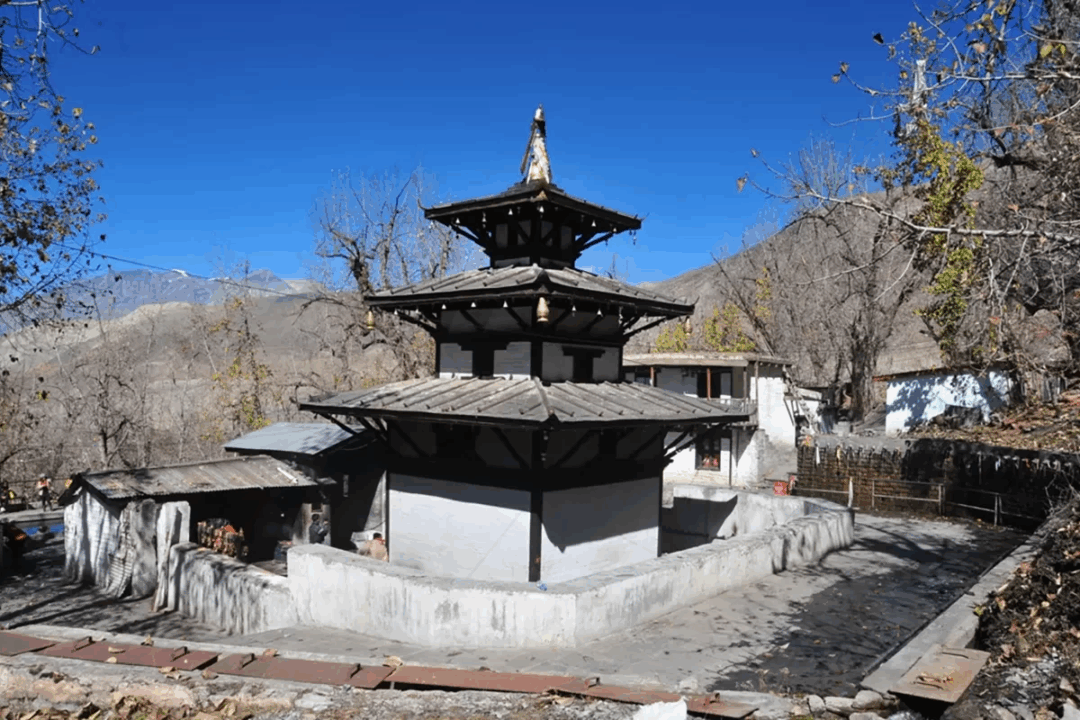
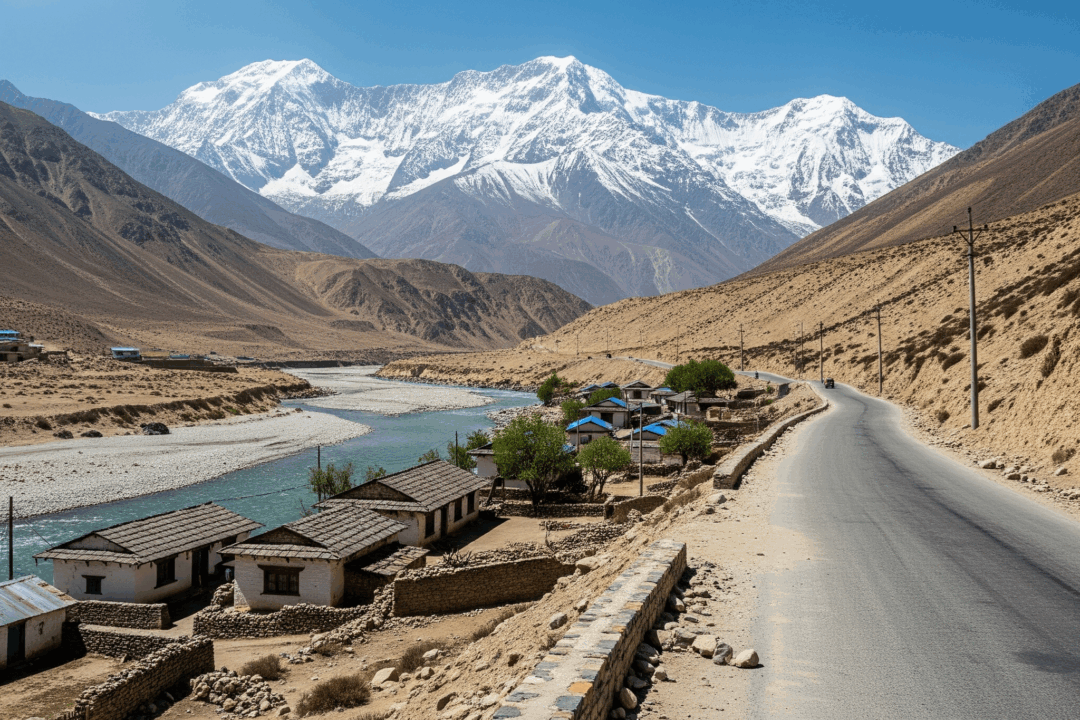
The Muktinath Pilgrimage Tour Package by Transport Hire Nepal offers a deeply spiritual journey to one of the most revered temples in the Himalayas — Muktinath Temple, located in the trans-Himalayan region of Mustang. Combining religious significance with scenic beauty, this tour is designed for pilgrims and adventurers alike. Whether you’re a devotee seeking salvation or a traveler craving Himalayan landscapes and unique cultural encounters, this journey promises a truly fulfilling experience.
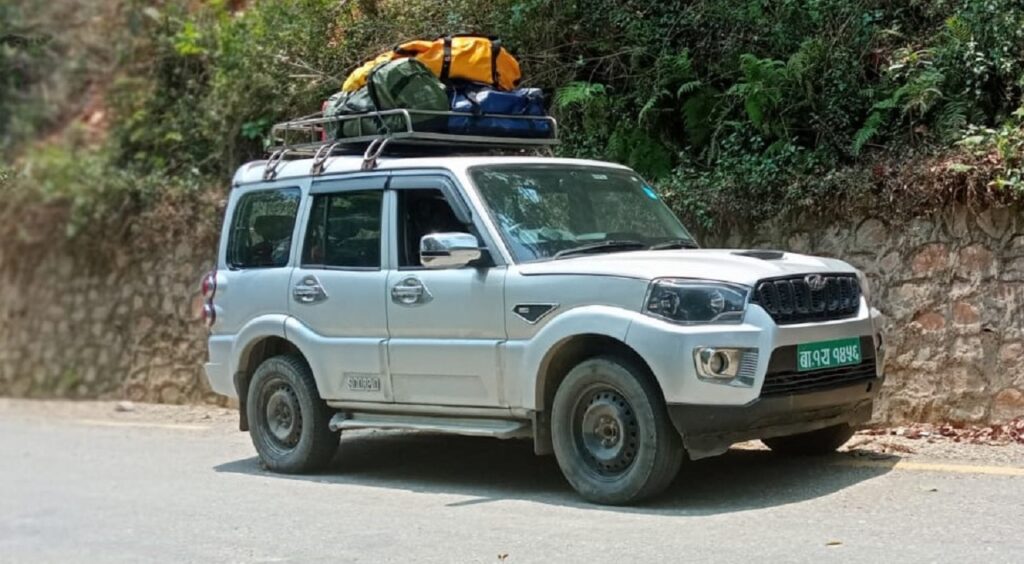
This 8-day trip includes Kathmandu and Pokhara valley sightseeing, scenic overland drives, and a memorable excursion to Muktinath Temple. We ensure comfort, safety, and convenience throughout with well-maintained transport, experienced drivers, and helpful local guides.
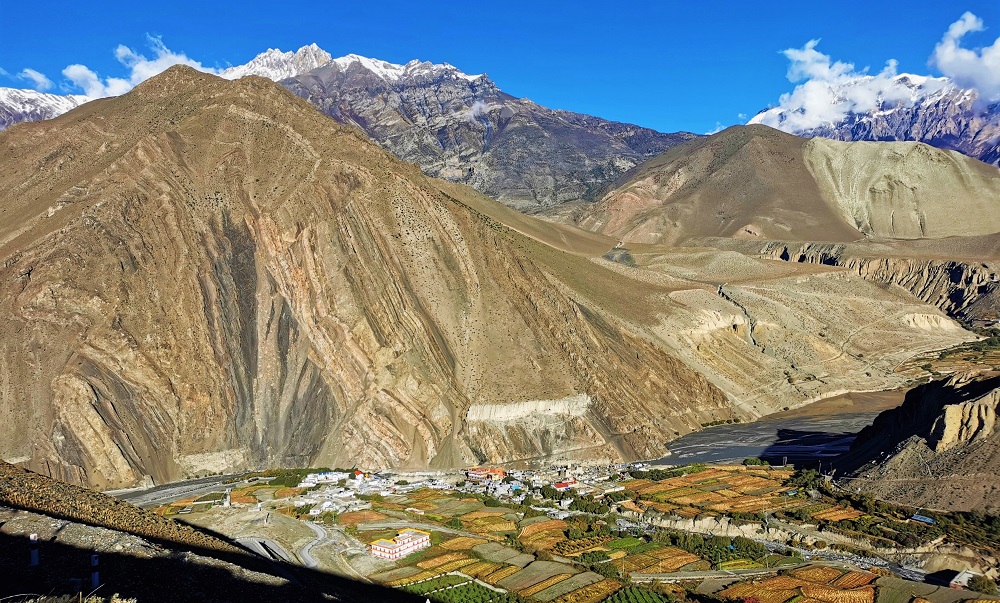
Planning a trip to Muktinath? Make your spiritual journey even more meaningful by including these important pilgrimage sites and cultural heritage locations along the route. From ancient temples and holy rivers to serene mountain towns and natural wonders — each stop offers a unique experience that enhances your overall pilgrimage. Incredible
Manakamana Temple
Perched high on a ridge and accessible by cable car, the Manakamana Temple is dedicated to the wish-fulfilling goddess Bhagwati. Pilgrims believe that heartfelt prayers offered here are fulfilled. The scenic ride across the Trishuli River valley is a thrilling experience in itself.
Bindhyabasini Temple – Pokhara’s Guardian Goddess
Located in the heart of Pokhara, this beautiful white dome temple honors Goddess Durga. It is a peaceful spiritual site with views of the Himalayas and Pokhara Valley. Pilgrims stop here to seek blessings before heading into the high mountains.
Bandipur – A Living Museum
A picturesque hilltop town that blends history, culture, and panoramic mountain views. Bandipur is a great stop for travelers to experience traditional Newari architecture, ancient temples, and quiet hill-town charm.
Natural Hot Springs – Tatopani near Beni
Near the confluence of the Kali Gandaki and Myagdi Rivers, the natural hot springs at Tatopani are believed to have healing properties. Many pilgrims take a dip here to purify body and soul before reaching Muktinath.
Galeshwar Dham – Holy Shiva Temple
Located in Beni, Galeshwar Dham is a revered Shiva temple set along the riverbank. Surrounded by peaceful scenery, it’s an ideal place for spiritual reflection and devotion en route to Mustang.
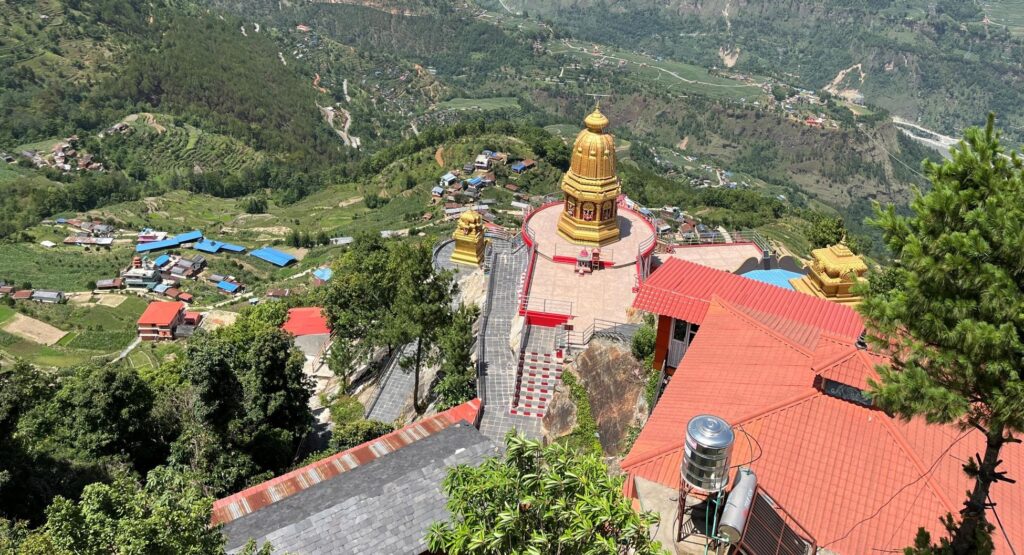
Panchakot – Spiritual Hilltop of Baglung
A growing destination for Hindu devotees, Panchakot is home to multiple temples and shrines with panoramic views. It’s also known for hosting spiritual gatherings and is considered a high-energy spot for meditation and prayer.
Baglung Kalika Temple
This sacred site in Baglung is dedicated to Goddess Kali. Tucked into a forest above the Kali Gandaki River, the temple offers a mystical setting for worship and blessings before you continue deeper into the Himalayan region.
Marpha – The Apple Capital
Famous for its stone-paved alleys, whitewashed houses, and apple orchards, Marpha is a beautiful Thakali village. It’s a great place to rest and enjoy local apple products like cider, pie, and brandy while exploring the spiritual and cultural richness of Mustang.
Jomsom – Gateway to the Himalayas
Situated at 2,700 meters, Jomsom is the administrative center of Mustang and the key stopover for pilgrims and trekkers. With its stark beauty, strong winds, and sweeping mountain views, it marks your arrival into the sacred highlands.
Kagbeni – Mystical Gateway to Upper Mustang
An ancient village nestled along the Kali Gandaki River, Kagbeni is steeped in Tibetan culture and mysticism. Its red-walled monastery and medieval charm make it one of the most photogenic and spiritually powerful spots on the journey.
Rupse Waterfall – Nature’s Roar in the Himalayas
Located along the Beni–Jomsom highway, Rupse Waterfall is one of Nepal’s most iconic and photogenic waterfalls. Cascading down from over 300 meters, this majestic fall crashes into the Kali Gandaki River below, creating a dramatic and refreshing stop for travelers. The sound of the water, mist in the air, and sheer beauty of the cliffside make it a favorite for pilgrims and nature lovers alike. It’s also a symbol of the raw natural power encountered on the journey to Muktinath.
Choosing the right time to Muktinath Tour Package can make all the difference in your experience. Nestled high in the Mustang region, the temple offers different beauty in every season — each with its own rhythm, challenges, and charm.
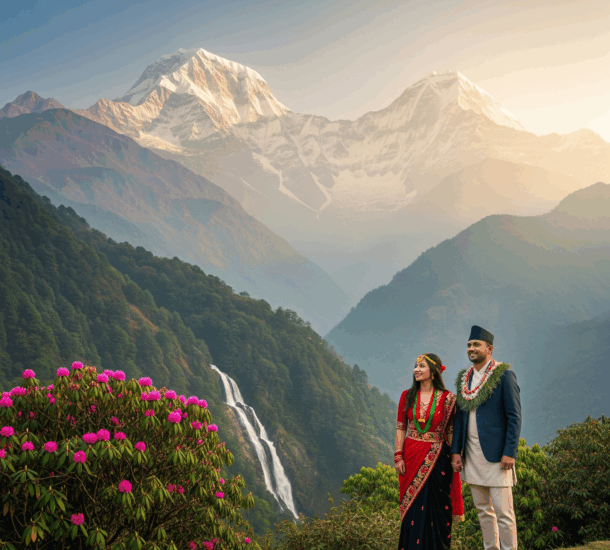
Spring (March to May) arrives with fresh life in the mountains. Wildflowers bloom, rhododendrons paint the hills red and pink, and the skies remain clear, offering magnificent views of the Himalayan peaks. The weather is pleasantly warm during the day and cool at night — perfect for travel, photography, and darshan without the crowds of monsoon or winter.
Autumn (September to November) is considered the golden window for the Muktinath pilgrimage Tour. After the monsoon rains have cleared the dust and haze, the skies open up to brilliant blue, and the mountain vistas are at their finest. Festivals like Dashain and Tihar bring added spiritual energy to the journey. This is the most stable and comfortable season for both road conditions and climate.
Monsoon (June to August) transforms the region with lush greenery and roaring rivers, but it also brings its own set of challenges. Landslides, muddy roads, and unpredictable weather can affect travel plans. However, Muktinath pilgrimage tour for many Indian pilgrims, this season is still favorable due to school vacations and religious holidays like Shravan — just be prepared for delays and rougher terrain.
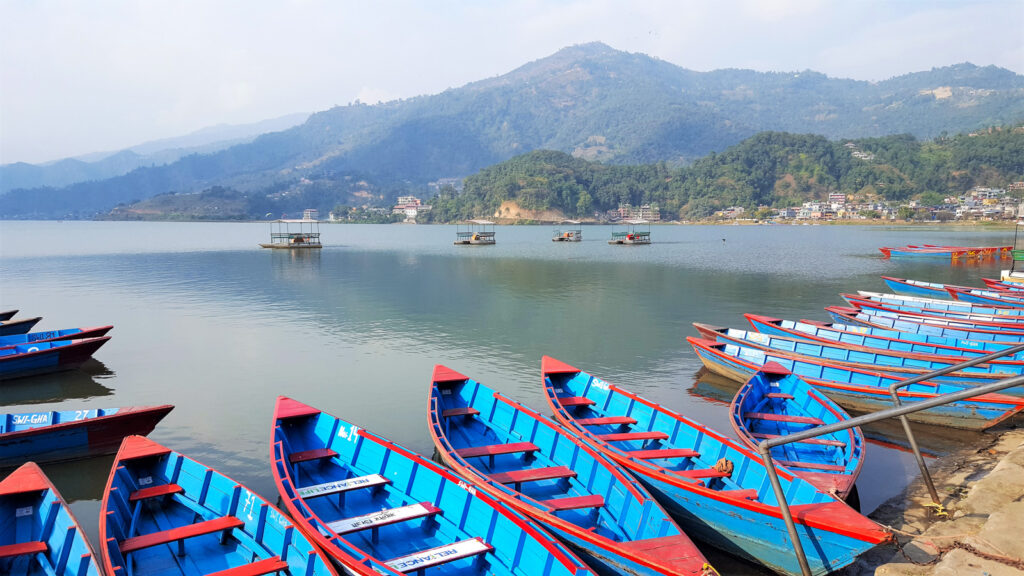
Winter (December to February) casts a serene, snowy silence over the Muktinath Pilgrimage Tour. While the landscape looks magical under a white blanket, the temperatures can drop drastically, especially at night. Snow and ice may block trails and roads. For elderly travelers or those unaccustomed to high-altitude cold, this season is not ideal. Yet for a handful of adventurous souls, winter offers unmatched solitude and purity
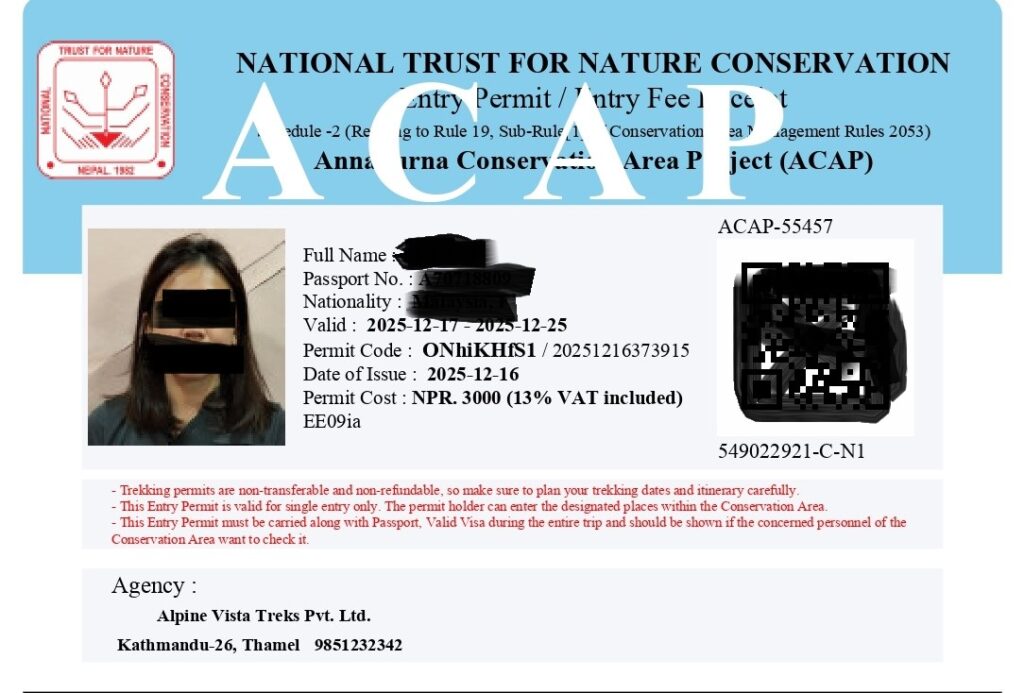
To visit Muktinath, the following permits are required:
| Area Permit | Cost for SAARC | Cost For Foreigners |
| Annapurna Conservation (ACAP) | NPR 1000 Per Person | NPR 3000 Per Person |
Mostly cloudy with temperatures around 58 °F (14 °C), warming up to about 64 °F (18 °C) by midday. A light jacket is recommended for the cooler morning hours, please click the link for recent weather in Jomsom.
Upon arrival, our representatives welcome at airport and transfer towards hotel. In the free time explore the locals market at Thamel.
In the evening, Shortly brief about program and you will be treated with a welcome dinner, including traditional Nepali food and dance performance, at a lovely Nepali local restaurant.
Start your day with breakfast at your hotel, then we will take a tour in Kathmandu Valley to four UNESCO World Heritage sites. Explore Hindu and Buddhist temples, pagodas, palaces and monuments.
Pashupatinath Temple
One of the holiest temples, is worshiped both by Hindus and Buddhists. It is the most important temple dedicate to god Shiva. It is believed those who die in Pashupatinath Temple are reborn as a human, no matter how they behave when they are alive. Thus, every year, many elderly Hindus come here in the last few weeks of their lives, to die and to be cremated on the banks of the sacred river Bagmati.
Bouddhanath Stupa (or Bodnath Stupa)
The largest stupa in Nepal, is one of the largest Buddhist shrines in the world. It is also the holiest Tibetan Buddhist temple outside of Tibet. Built in the 14th century, Bodnath Stupa is the centre of Tibetan culture in Kathmandu and offers rich Buddhist symbolism
Kathmandu Durbar Square:
Kathmandu Durbar Square, nestled in Nepal's capital, is a UNESCO World Heritage Site renowned for its rich cultural heritage. This ancient square, once the royal palace complex and administrative center of the Kathmandu Valley, is adorned with palaces, temples, and courtyards, offering a mesmerizing glimpse into Nepal's architectural and artistic legacy. Visitors can explore intricately carved wooden structures like the Hanuman Dhoka Palace, Taleju Temple, and Kumari Ghar, where the living goddess Kumari resides. The square is alive with religious rituals, festivals, and daily activities, making it a vibrant hub of cultural exploration.
Swayambhunath (Monkey Temple)
Also known as Monkey Temple, is a great example of religious harmony in Nepal. Along with the oldest stupas of its kind in Nepal, there are numerous shrines and monasteries. Legend has it that the glory of Kathmandu Valley started from this place. This site overlooks Kathmandu Valley, providing a great panoramic view of the capital city. Let the playful monkeys that wander freely in the temple amuse you. If you are into art, take time to visit the Thangka Painting School located in one of the towers. The exquisite Tibetan Buddhist art form is a guaranteed eye-opener. In the late afternoon, drive back to the hotel.
After breakfast, we begin our scenic drive from Kathmandu to Pokhara, located about 200km away, a journey of approximately 7 to 8 hours, depending on traffic conditions. If you want, along the way, we can make an optional stop at the sacred Manakamana Temple — a revered Hindu pilgrimage site located on a hilltop in Gorkha district. Devotees believe that the goddess Manakamana grants the wishes of those who make the pilgrimage. To reach the temple, we take a thrilling cable car ride offering panoramic views of the Trishuli River and surrounding hills.
After a short temple visit, we’ll enjoy lunch at a nice local restaurant nearby, taking in the serene surroundings. We then continue our drive towards Pokhara, arriving by late afternoon
Upon arrival, check in to your hotel. The rest of the evening is free time to explore the lakeside area, visit local markets, or relax by the tranquil Fewa Lake. Overnight stay in Pokhara.
If you want: In the early morning around 4:30am, a private vehicle will pick you up at your hotel and drive to a small hilltop at Sarangkot. Sarangkot is regarded as a fantastic place to see sunrise and sunset. When the sun peeks out and adds a golden hue on the snowcapped mountains in the Annapurna range, you will be amazed by this wonderful gift that God brings to you. We will see Mt. Annapurna I, Dhaulagiri, Machhapuchhre (nicked named as Fish Tail), and other peaks if the weather is clear. The views of Pokhara valley is astonishing there.
On the way from Sarangkot back to the hotel, we will stop by Bindhyabasini Temple, the most popular Hindu temple in Pokhara. Bindyabasini Temple is dedicated to Goddess Bhawani that is worshipped daily in the temple. You can get a great view of Pokhara City and the Himalayas from the temple.
After breakfast and a short rest, we will take a tour to some of the main attractions around the city.
Phewa Lake:
Take a boat ride in Phewa Lake to enjoy its charm, and fantastic view of the Annapurna range. The reflection of Mt Macchhapuchhare (Fishtail) and Annapurna I in quiet water is the signature of Pokhara. We will also visit Tal Barahi Temple which is a 2-storey pagoda on a little island
Hanging Bridge of Pokhara:
Walk across thrilling suspended bridges in Pokhara and admire stunning views of the Himalayas. Enjoy a transfer from your hotel and embark on a private trip, surrounded by deep canyons and rivers.
International Mountain Museum:
In Pokhara showcases the rich history of mountaineering, Himalayan culture, and the unique lifestyle of mountain communities. It features exhibits on famous climbers, mountain ecology, and the world’s highest peaks — making it a must-visit for adventure and culture lovers.
Devi’s Falls:
With its Nepalese name of Patale Chango, which means “underworld waterfall”, Devi’s falls marks the point where the Pardi Khola stream vanishes underground. The stream feeding the falls flows from a lake and traverses a tunnel before it enters the falls. After viewing the falls, you can purchase coins at the ticket counter to toss in the popular wishing well of Goddess Manakamna Bhagwati for a good wish.
Gupteshwor Mahadev Cave:
The cave is Nepal’s most famous cave, containing two chambers with several shrines. The cave has lighting but you will need a headlamp or torch to enjoy caving. Look for nice colors on the walls when you are in the cave.
Pumdikot:
Pumdikot, near Pokhara, is a peaceful hilltop known for its breathtaking views of the Annapurna range and Machapuchare. It is also home to a prominent Shiva statue. The area is popular for hiking, bird watching, and enjoying stunning sunsets and sunrises.
World Peace Pagoda:
It is situated on the top of a hill on the southern shore of Phewa Lake. It is a massive Buddhist stupa that offers great views of the Annapurna range and Pokhara City. After visiting the World Peace Pagoda, we will go back to the city.
Having breakfast, we begin our scenic drive from Pokhara to Jomsom, passing through beautiful local villages, and hilly highway about 160km, a journey of approximately 6 to 7 hours, depending on road conditions. The route takes us through the dramatic landscapes of the Kali Gandaki Valley, offering stunning views of the Annapurna and Dhaulagiri ranges. En route, we’ll stop at the beautiful Rupse Waterfall, one of the most famous waterfalls in Nepal, and visit the charming apple orchards of Marpha, a traditional Thakali village known for its apple brandy and stone-paved lanes. Overnight stay in Jomsom.
Early in the morning, we drive from Jomsom to Muktinath Temple (approx. 1.5–2 hours), ascending through the barren landscapes of Mustang with stunning views of Nilgiri, Dhaulagiri, and the vast Kali Gandaki Valley. En route, we pass through the beautiful village of Jharkot, known for its traditional Tibetan architecture and ancient monastery.
Upon reaching the Muktinath Temple complex (3,800 meters / 12,467 feet), we begin our holy darshan and puja (worship). Pilgrims can bathe in the 108 sacred water spouts (Muktidhara) and two holy ponds believed to purify the body and soul. Nearby, visit the Jwala Mai Temple, where an eternal flame burns naturally, symbolizing spiritual power and miracle.
After darshan, we will have breakfast at a local teahouse near the temple, enjoying warm food and majestic Himalayan views. We then drive back down the same route and make a short visit to Kagbeni village (2,800 meters), a picturesque and culturally rich settlement located at the confluence of the Kali Gandaki and Jhong Rivers. Kagbeni is considered the gateway to Upper Mustang and is famous for its ancient Buddhist monastery, narrow alleyways, and unique mud-brick houses.
After exploring Kagbeni, we continue our return journey toward Pokhara. On the way, we’ll stop for lunch at a suitable local restaurant — either in Marpha, known for its apple orchards and Thakali cuisine, or in Ghasa or Tatopani, depending on the pace of the drive.
The long yet rewarding drive winds through the Kali Gandaki gorge with waterfalls, cliffs, and mountain vistas accompanying us all the way. By late evening, we arrive in Pokhara, where you can relax and unwind after a full day of spiritual, cultural, and scenic experiences, overnight at Pokhara
After breakfast, we drive back to Kathmandu. Late afternoon, arrive in Kathmandu. The rest of the free time you can explore the market & shop for gifts and souvenirs before heading back home the next day.
Our representative will transfer you to the airport for your onward flight with the blessings of Muktinath. We hope this pilgrimage brings you peace, purity, and lifelong memories. Namaste!
Travelers visiting Jomsom (2,743 m) and Muktinath (3,800 m) should be aware of the risk of Altitude Sickness (Acute Mountain Sickness - AMS), especially if ascending too quickly from lower elevations like Pokhara.
Common Symptoms Include:
Tips to Prevent Altitude Sickness:
Most travelers adjust well with proper rest and hydration. If symptoms worsen, descend to a lower altitude immediately.